Bleeding Gums: 10 Causes, What to Do at Home and When to See a Dentist (2026)
The most common cause of bleeding gums is gingivitis, inflammation from plaque at the gum line, and it usually settles within 10 to 14 days of brushing twice a day and cleaning between the teeth. If it persists, a dentist checks pocket depths and X-rays for periodontitis, which needs deep cleaning (NHS Band 2 £76.60; privately typically £110 to 250 per quadrant). Spontaneous bleeding, bruising, loose teeth or pus need prompt attention. Smokers may bleed less despite disease, and blood thinners should never be stopped without medical advice. Gum treatment belongs with your local dentist, but gums must be healthy before veneers, crowns or implants.
Bleeding gums are most often caused by gingivitis: plaque left at the gum line inflames the gum, and inflamed gum bleeds when it is brushed or flossed. In most people it settles within about 10 to 14 days of correct daily cleaning, including between the teeth. If the bleeding lasts beyond two weeks of good cleaning, starts without any brushing, or comes with loose teeth, swelling, pus or bruising elsewhere on the body, see a dentist or doctor rather than waiting. This guide explains the common and the rare causes, what you can do at home in the next two weeks, what treatment involves in the UK and what it typically costs.
Quick answer: what is making your gums bleed
Cause
Typical signs
What to do
Gingivitis (plaque at the gum line)
Red, puffy gum edges; bleeding when brushing or flossing; no pain
Clean properly for 2 weeks, including between teeth; book a check-up and scale and polish
Periodontitis (gum disease reaching the bone)
Bleeding plus receding gums, bad taste or breath, teeth that move or drift
Dentist examination with pocket measurement and X-rays; deep cleaning
New flossing or brushing routine
Bleeding for the first few days only, at the newly cleaned spots
Carry on; it should fade within a week or two
Brushing too hard or with a hard brush
Sore, scuffed gum edges, notches at the gum line
Soft or electric brush with a pressure sensor, gentler technique
Pregnancy and hormonal change
Swollen gums that bleed easily, often from the second month
Extra careful cleaning; tell your dentist you are pregnant
Blood-thinning medicines
More bleeding than usual from minor irritation
Do not stop the medicine; tell your dentist what you take
Rough fillings, crown edges or implants
Bleeding always at the same tooth or around an implant
Dentist check of the margin or implant
Blood or general health conditions (rare)
Spontaneous bleeding, bruising, nosebleeds, tiredness, fever
See your GP promptly; a blood test may be needed
Gingivitis or periodontitis: the difference that matters
Both start with the same thing, a sticky layer of bacteria (plaque) that collects where the tooth meets the gum. Left for a few days it inflames the gum; left for months it hardens into tartar (calculus) that a toothbrush cannot remove.
Gingivitis is inflammation of the gum only. The bone that holds the teeth is not affected, and the condition is reversible: once the plaque and tartar are removed and daily cleaning is good, the gum returns to firm and pale pink, usually within two weeks.
Periodontitis is what happens when the inflammation spreads down and the fibres and bone around the root start to break down. The gap between gum and tooth deepens into a pocket that collects more bacteria. A dentist measures this with a thin probe: a healthy pocket is about 1 to 3 mm deep; pockets of 4 mm and deeper, particularly if they bleed on probing, suggest periodontitis. X-rays show whether bone has been lost. Periodontitis cannot be reversed, lost bone does not grow back on its own, but it can be stopped and kept stable for many years with deep cleaning and regular maintenance. Untreated, it is the most common reason adults lose teeth that have no decay at all.
The trap is that neither stage usually hurts. Bleeding is often the only early warning, which is why it is worth taking seriously. Our gum disease guide covers the stages and treatment options in more detail.
Other causes of bleeding gums
A new cleaning routine
Gums that have not been flossed or brushed between the teeth for a while often bleed for the first few days when you start. This is the inflammation showing itself, not damage from the floss. Keep going gently: the bleeding should become less each day and normally stops within one to two weeks. Stopping because of the bleeding leaves the plaque in place and keeps the cycle going.
Brushing too hard
A hard brush or a scrubbing technique can scuff the gum edge and, over years, push it back. Use a soft manual brush or an electric brush with a pressure sensor, angled towards the gum line, with small movements. Firm pressure does not clean better.
Pregnancy and hormones
Higher hormone levels in pregnancy make the gums react more strongly to small amounts of plaque, so bleeding and swelling are common, often from the second or third month. Puberty, some contraceptives and the menopause can have similar effects. Dental check-ups and cleaning are safe in pregnancy; NHS dental treatment is free in England during pregnancy and for 12 months after the birth.
Medicines
Anticoagulants such as warfarin, apixaban or rivaroxaban, and antiplatelet drugs such as aspirin or clopidogrel, make the gums bleed more readily from the same amount of inflammation. Never stop or change these medicines yourself because your gums bleed; the risk of doing so is far greater than the bleeding. Tell your dentist exactly what you take. A different group of medicines, including some calcium channel blockers for blood pressure (for example nifedipine or amlodipine), some anti-epileptic drugs and ciclosporin, can cause the gum to overgrow, which makes cleaning harder and bleeding more likely.
Diabetes
Poorly controlled blood sugar makes gum infection more likely and healing slower, and periodontitis in turn makes blood sugar harder to control. If you have diabetes and your gums bleed, mention it to both your dentist and your diabetes team.
Smoking: why smokers may bleed less
Smoking is one of the strongest risk factors for periodontitis. It also hides it: nicotine narrows the small blood vessels in the gum, so smokers often bleed less even when the disease is advanced. Gums that suddenly start bleeding after you stop smoking are usually not a new problem but an existing one becoming visible. It is a reason for a check-up, not a reason to start again.
Vitamin deficiency
Severe vitamin C deficiency (scurvy) causes swollen, bleeding gums, but it is rare and usually linked to a very restricted diet. Vitamin K deficiency, which affects clotting, is also uncommon in adults. A balanced diet helps gum health; supplements will not fix gingivitis caused by plaque.
Blood disorders and other medical conditions
Rarely, bleeding gums are the first sign of a condition affecting blood clotting or the blood cells, such as leukaemia, immune thrombocytopenia (ITP), haemophilia or von Willebrand disease, or of liver disease. The pattern is different: bleeding without brushing, bleeding that is hard to stop, and other signs such as bruising, nosebleeds, tiredness, infections or fever. These need a doctor and a blood test, not a new toothbrush.
Old dental work and implants
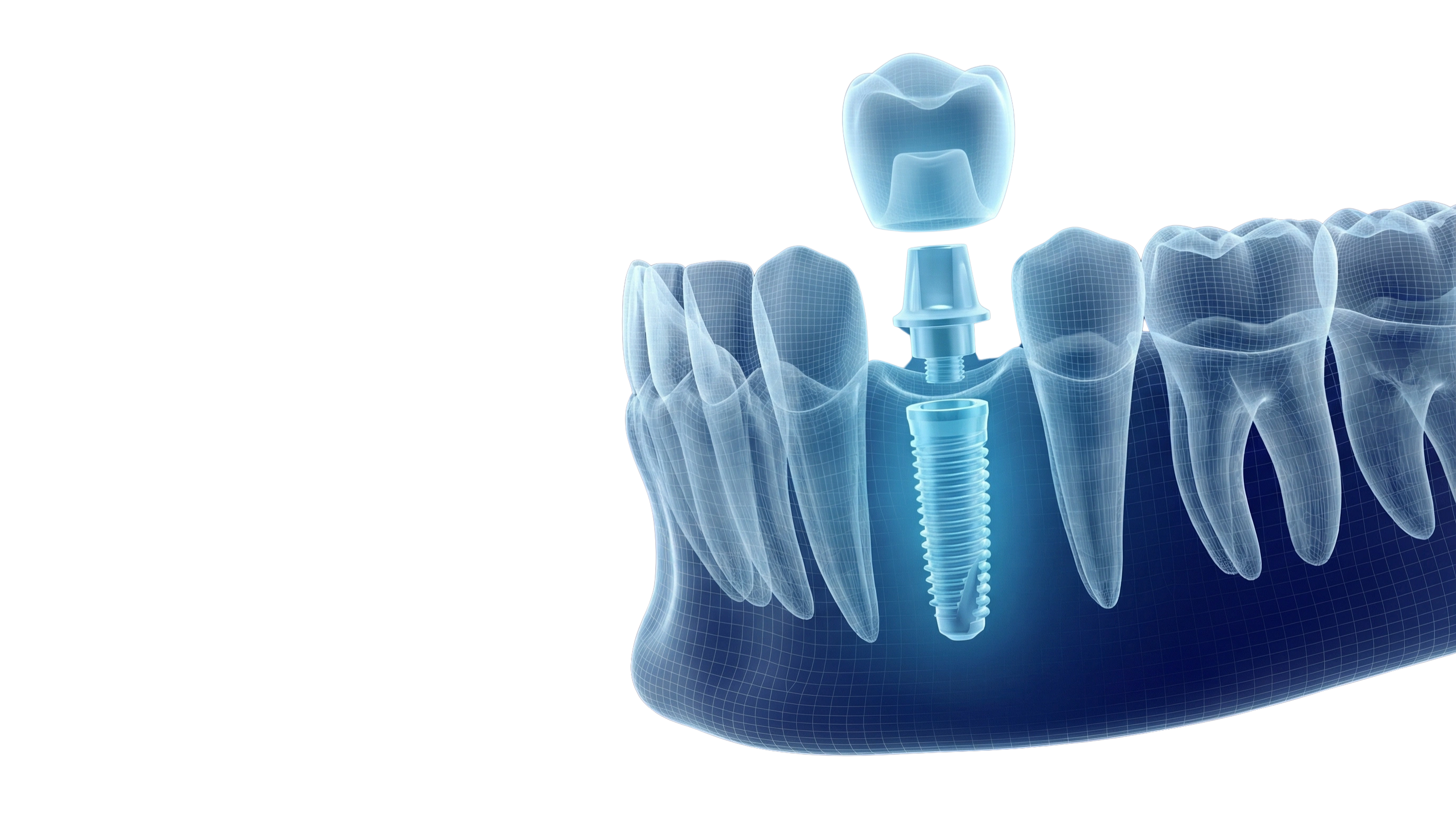
A filling or crown with an overhanging or rough edge traps plaque at one spot, and that one spot keeps bleeding however well you clean. Around a dental implant, bleeding gum is the first sign of peri-implant mucositis, the implant equivalent of gingivitis. It is reversible if treated early; left alone it can progress to peri-implantitis with bone loss around the implant. Our implant aftercare guide explains how to clean around implants.
What to do at home over the next two weeks
Brush twice a day for two minutes with a soft or electric brush and a fluoride toothpaste, aiming the bristles at the gum line. Spit, do not rinse, after brushing.
Clean between the teeth once a day. Interdental brushes in the right size are more effective than floss for most adults; use floss where the gaps are too tight. Expect bleeding for the first days.
Keep cleaning the areas that bleed. Those are the areas that need it most.
Use antiseptic mouthwash only short term. Chlorhexidine can help for a short period, usually no longer than about two weeks unless your dentist advises otherwise, because it stains teeth and alters taste. Mouthwash does not replace cleaning.
Do not rely on salt water. A warm salt rinse can soothe, but it does not remove plaque and has little effect on gingivitis on its own.
If you smoke, this is the time to get support to stop. NHS Stop Smoking services are free.
Book a check-up if the bleeding has not clearly settled after two weeks, or sooner if any warning sign below applies.
Warning signs: see a dentist or doctor promptly
Bleeding that starts on its own, without brushing or eating
Bleeding that does not stop after about 15 minutes of firm pressure with gauze
Bruising on the skin, frequent nosebleeds, unusual tiredness, fever or repeated infections
Mouth ulcers that do not heal within two to three weeks
Loose teeth, teeth that have moved, or a change in your bite
Pus, a gum abscess, facial swelling or significant pain
Bleeding gums while taking blood thinners that is clearly more than usual
For spontaneous bleeding with bruising or feeling unwell, see your GP the same week, or call NHS 111 if you are worried. For swelling or an abscess, contact a dentist urgently.
Treatment and what it typically costs in the UK
Gingivitis is treated with a professional scale and polish and better home care. Periodontitis needs a full periodontal examination with pocket charting and X-rays, then deep cleaning below the gum line (root surface debridement), usually spread over one to four visits under local anaesthetic, followed by a re-check after about three months and maintenance visits every three to six months. Advanced cases are referred to a periodontist.
Treatment
NHS England (2026)
Private, typical
Examination, X-rays, scale and polish if clinically needed
Band 1, £27.90
Hygienist scale and polish typically £60 to 130
Deep cleaning (root surface debridement) for periodontitis
Band 2, £76.60 for the course
Typically £110 to 250 per quadrant, roughly £450 to 1,000 for the whole mouth
Specialist periodontist
On referral, waits vary
Consultation and treatment considerably more, priced per case
The NHS charge is per course of treatment, so if you can get an NHS appointment, gum treatment is inexpensive. The difficulty in many areas is access: practices not taking new adult NHS patients and long waits. Private prices vary widely by region, with London and the South East at the top.
An honest note about travelling for gum treatment
Do not travel abroad for a cleaning or for gum treatment. Periodontal care works through repetition: a deep clean, a re-check at three months, then maintenance every few months, ideally with the same hygienist. That belongs with your local dentist, not on a flight.
Gum health does matter if you are planning veneers, crowns or implants in Turkey. Ceramic work bonded onto inflamed gums gives poor margins and a gum line that recedes afterwards, and implants placed in a mouth with active periodontitis are at higher risk of peri-implantitis. At our clinic in Fethiye the first appointment always includes a gum examination, pocket measurement where needed and a panoramic X-ray. If the gums bleed from simple gingivitis, a professional cleaning is done before preparation and the plan continues. If there is active periodontitis, we treat what can be treated during the visit and, where the cosmetic work would be at risk, we advise postponing it until the gums are stable at home. That is also why the photos and X-ray you send before booking are reviewed by Dr. Mustafa Besli before any date is set.
After treatment, slight bleeding around new crowns or veneers in the first days is normal while the gum settles. Bleeding that continues after two weeks usually means plaque at the margin, occasionally a margin that needs adjusting; send us a photo. Our written guarantees on implants, veneers and crowns exclude problems caused by neglected hygiene, so the cleaning routine and regular check-ups with your own dentist are part of keeping the work. The details are in our guarantee guide, and the reasons dental work abroad goes wrong, gum preparation among them, are in Turkey teeth gone wrong. General care at our clinic, such as fillings, hygiene and extractions, is priced individually in the written plan; see general dental care.

Dr. James Mitchell
Smile & Holiday
Dr. James Mitchell is a periodontist specializing in the diagnosis and non-surgical/surgical treatment of bleeding gums, gingivitis, and periodontitis, with 17 years of clinical experience. He completed advanced periodontal training at King’s College London and regularly supports international patients seeking periodontal care as part of dental tourism in Turkey, focusing on gentle, evidence-based treatment plans.
Frequently Asked Questions
Frequently asked questions about this topic
Related Treatments
Explore treatments related to this article