Veneers in Turkey: E-Max vs Zirconia, Prices & Guide
Choosing between E-Max and zirconia veneers in Turkey depends on aesthetics versus masking/strength, plus your enamel, tooth colour and bite forces. Compare typical 2026 prices (€220–€350 E-Max, €180–€300 zirconia per tooth) and plan 5–7 days in Fethiye for diagnostics, temporaries and final bonding. Smile & Holiday helps tailor material, shade and aftercare for safe, long-lasting results.
Choosing veneers in Turkey can be life-changing—but only if you select the right material for your bite, tooth shape, and smile goals. The two most requested options are E-Max and zirconia, and while both can deliver a “Turkey teeth” transformation, they behave differently in the mouth and come with different price points, preparation requirements, and longevity expectations.
What is the difference between E-Max and zirconia veneers in Turkey?
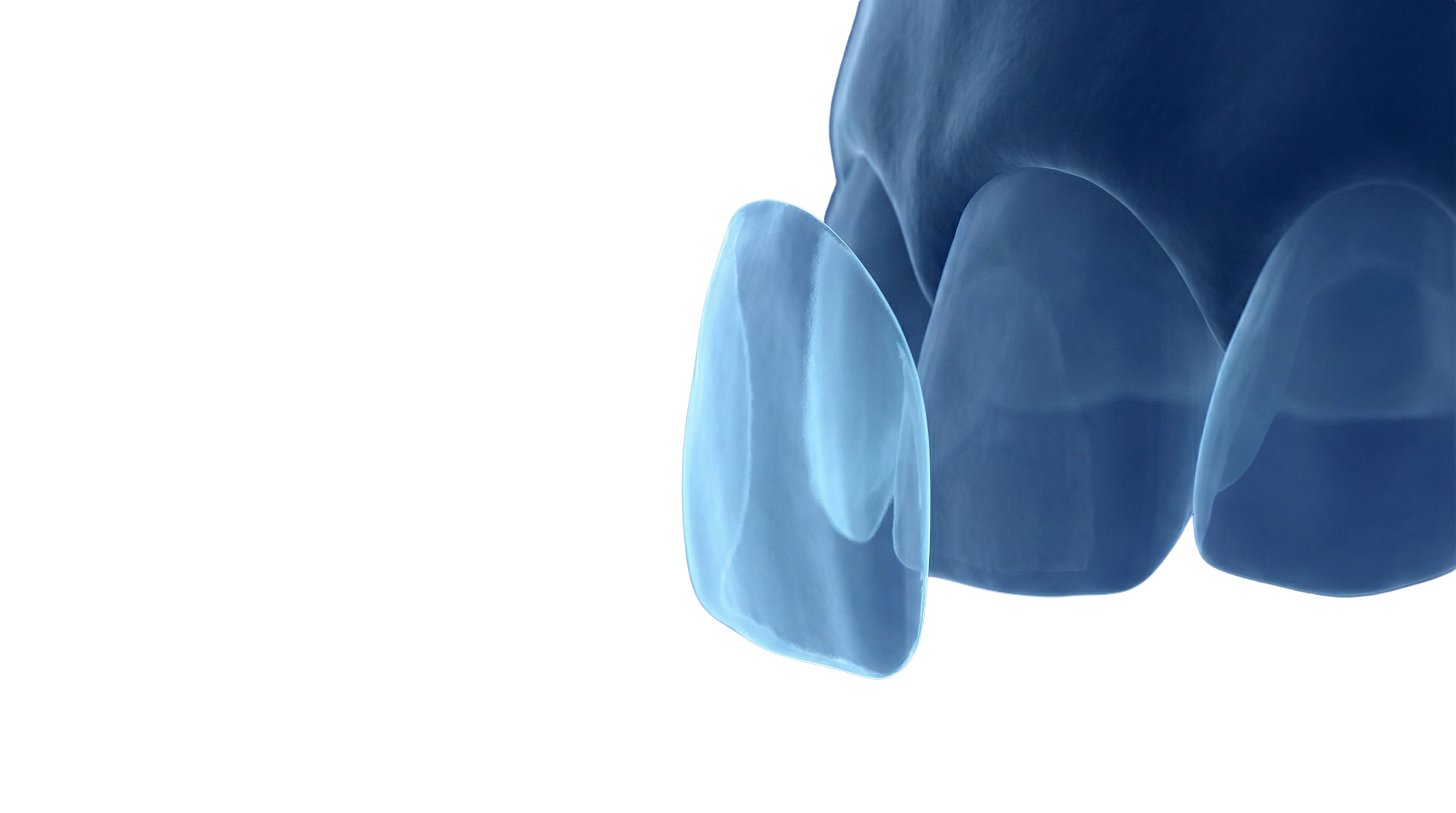
E-Max veneers are highly aesthetic lithium disilicate ceramics best suited to natural translucency, while zirconia veneers are stronger, more opaque restorations often chosen when extra masking power or durability is needed; in veneers Turkey cases, the best option depends on enamel thickness, tooth colour, bite forces, and whether you’re correcting minor or complex cosmetic issues.
E-Max is prized for lifelike light transmission, which helps it blend with adjacent teeth—especially on upper front teeth. It’s often the go-to for patients seeking a Hollywood smile Turkey look that still appears natural in daylight and photos.
Zirconia (usually monolithic or layered zirconia) offers very high flexural strength and can better hide dark underlying tooth colour, large fillings, or previously root-treated teeth. If your goal is a brighter, more uniform shade—or you have a heavier bite—zirconia can be the safer long-term choice.
How much do E-Max and zirconia veneers cost in Turkey in 2026?
In Turkey, E-Max veneers typically cost around €220–€350 per tooth, while zirconia restorations used for veneer-like cosmetic work or thin crowns often range from €180–€300 per tooth; total costs depend on case complexity, number of teeth (commonly 8–10), diagnostics, and whether gum contouring or bite correction is needed.
As a realistic guide, a 10-unit smile zone plan may fall roughly between €1,800 and €3,500 depending on material choice, pre-treatment, and the lab workflow. This is a key reason dental tourism Turkey remains popular—patients often compare overall value (treatment + holiday) versus home-country pricing.
If you’re assessing options beyond veneers, your plan may include whitening, bonding, or alignment first; explore available treatments via All Treatments to see what can be combined for a predictable outcome.
Which option looks more natural: E-Max or zirconia?
Smile & Holiday: Choose E‑Max vs Zirconia Veneers with Confidence
Get a tailored veneer plan in Fethiye—material choice, shade and bite checks, and a clear 5–7 day timeline with pricing for your case.
E-Max usually looks more natural because its translucency closely mimics enamel, whereas zirconia can look slightly more opaque—though modern layered zirconia can still achieve excellent aesthetics; for veneers Turkey cases focused on subtle brightness and “real tooth” depth, E-Max is often the preferred aesthetic material.
E-Max is especially strong in these scenarios:
Patients with healthy enamel and minimal discolouration
Those wanting a softer, less “ultra-white” finish
Fine edge details and natural incisal translucency
Zirconia aesthetics have improved dramatically, and it can be ideal when you need strong masking for dark teeth or want a brighter shade without the risk of the underlying tooth showing through. The most important factor is not the marketing term “veneers,” but whether your teeth require a veneer, a minimal-prep veneer, or a thin cosmetic crown for long-term stability.
How long do veneers in Turkey last, and which material is stronger?
With correct planning and good oral hygiene, E-Max veneers commonly last 10–15 years and zirconia restorations can last 10–20 years, but longevity depends more on bite forces, grinding, preparation design, and bonding quality than the country; for high-load cases, zirconia’s strength may offer an extra margin of safety.
E-Max has excellent strength for a veneer (often cited around 360–400 MPa), while zirconia can be significantly higher (often 900–1,200 MPa depending on type). However, “stronger” is not always “better”: veneers rely on adhesive bonding, and overly aggressive preparation to “make room” for very opaque materials can reduce enamel bonding surface.
To protect any cosmetic work, we commonly advise:
Night guard use if you clench or grind
Regular scale and polish every 6 months
Avoiding using front teeth to open packaging or bite hard objects
How many days do you need in Fethiye, Turkey for veneers, and what is the treatment process?
Smile & Holiday: Choose E‑Max vs Zirconia Veneers with Confidence
Get a tailored veneer plan in Fethiye—material choice, shade and bite checks, and a clear 5–7 day timeline with pricing for your case.
Most veneer cases in Fethiye, Turkey require 5–7 days including consultation, digital smile planning, preparation, temporaries, and final fitting, although simpler cases can be completed in 4–5 days and complex “Hollywood smile Turkey” or bite-driven cases may need 7–10 days to allow try-ins and refinement.
A typical workflow looks like this:
Clinical exam, photographs, and digital scans (often day 1)
Smile design and shade selection; discussion of tooth proportions
Tooth preparation (minimal where possible) and temporary veneers
Laboratory fabrication and mid-course fit/aesthetic checks
Final bonding/cementation, bite adjustment, and aftercare advice
If you’d like to see realistic outcomes across different tooth shapes and shades, visit the Before/After Gallery. For personalised timelines (including travel via Dalaman and staying near Oludeniz), you can book a free consultation and receive a tailored plan before you fly.
Are “Turkey teeth” veneers safe, and what misconceptions should patients avoid?
Veneers in Turkey are safe when they are medically indicated, conservatively planned, and carried out with proper diagnostics and occlusal assessment, but misconceptions—such as believing everyone needs heavy filing or that one material fits all—can lead to dissatisfaction; safe outcomes rely on enamel preservation, correct bite design, and realistic shade goals.
Common concerns we help patients navigate include:
“All veneers require aggressive shaving.” Not true—many cases can be minimal-prep when alignment and tooth position permit.
“Whiter is always better.” Extremely bright shades can look flat or artificial; a tailored shade map often looks more premium.
“Veneers fix everything.” Gum health, decay, and bite problems must be addressed first to avoid failure.
If you’re comparing destinations and standards, it can help to read broader comparisons like Dental Treatment: Turkey vs UK to understand why prices differ, what to ask during a consultation, and how to evaluate a clinic’s protocols.
Whether you choose E-Max for its natural translucency or zirconia for added strength and masking, the best veneers Turkey results come from precise diagnosis, conservative preparation, and a smile design that matches your face—not a one-size-fits-all template. At Smile & Holiday in Fethiye, Turkey, we guide you through material selection, shade planning, and aftercare so your new smile looks refined, functions comfortably, and ages predictably.

Dr. Lara Demir-McConnell
Smile & Holiday
Dr. Lara Demir-McConnell is a prosthodontist specialising in ceramic veneers and smile design, with a focus on material selection between E‑Max (lithium disilicate) and zirconia for long-lasting aesthetics. With 14 years of experience and advanced training at Istanbul University Faculty of Dentistry, she supports international dental tourism patients in Turkey with conservative preparation, occlusal planning, and predictable veneer outcomes.
Frequently Asked Questions
Frequently asked questions about this topic
Related Treatments
Explore treatments related to this article