Gum Disease: Symptoms, Causes, Treatment Options and Costs in 2026
Gum disease starts with plaque. Gingivitis is fully reversible with a clean and better home care; periodontitis causes permanent bone loss but is stopped with deep cleaning, a re-evaluation after 6 to 12 weeks and maintenance every 3 to 4 months. Smoking and diabetes are the biggest risks. In the UK a hygiene visit is typically £60 to 120 privately and NHS gum treatment falls under Band 2 at £76.60. Travelling for gum treatment alone is rarely worth it, but active periodontitis must be controlled before implants, crowns or veneers.
Gum disease is a bacterial infection of the gums and the bone that holds your teeth. In its early form, gingivitis, it is fully reversible with a professional clean and better home care; once it becomes periodontitis the lost bone does not grow back, but the disease can be stopped and kept stable for life. The first signs are gums that bleed when you brush, redness, swelling and bad breath, usually without any pain. In the UK a hygiene visit typically costs £60 to 120 privately and a deep clean £120 to 350 per quadrant, while on the NHS a course of gum treatment falls under Band 2 at £76.60. This guide explains the stages, the causes, what treatment involves and why gum health has to be sorted before implants, crowns or veneers.
What gum disease is
Gum disease, or periodontal disease, starts with dental plaque, the sticky film of bacteria that forms on teeth every day. Plaque that is not removed irritates the gum margin. Within days the gum reacts with inflammation; within weeks plaque hardens into tartar (calculus), which a toothbrush cannot remove. If the inflammation continues, it spreads below the gum line and slowly destroys the fibres and bone that anchor the tooth.
It is one of the most common chronic conditions in adults. US national survey data put periodontitis at about 47% of adults over 30, and the World Health Organization estimates that severe periodontal disease affects around one adult in five worldwide. Many people with it do not know, because it rarely hurts until late.
The stages: from gingivitis to advanced periodontitis
Dentists measure the gap between tooth and gum with a fine probe. A healthy pocket is 1 to 3 mm deep and does not bleed.
Stage
Pocket depth
What is happening
Reversible?
Usual treatment
Gingivitis
1 to 3 mm, bleeds
Inflamed gum, no bone loss yet
Yes, fully
Scale and polish, better brushing and cleaning between teeth
Early periodontitis
4 to 5 mm
Fibres detaching, first bone loss on X-ray
Can be stopped, bone does not regrow
Deep cleaning under the gum, review after 6 to 12 weeks
Moderate periodontitis
5 to 7 mm
Clear bone loss, gum recession, some teeth may feel loose
Can be stabilised
Deep cleaning, sometimes local antibiotics, frequent maintenance
Advanced periodontitis
Over 7 mm
Severe bone loss, teeth drifting or very loose
Some teeth may not be savable
Specialist care, surgery, extraction of hopeless teeth, later replacement
Current classification also grades how fast the disease is progressing. Smoking and poorly controlled diabetes push a case towards the faster grade, which is why your dentist asks about both.
Symptoms to watch for
Gum disease is often called silent because pain comes late. These are the signs that matter:
Gums that bleed when you brush, floss or eat something hard. Bleeding is never normal; it is inflammation. Our article on what causes bleeding gums covers the other causes.
Red, swollen or tender gums instead of firm, pale pink ones
Persistent bad breath or a bad taste that brushing does not fix
Gum recession: teeth look longer, or you see dark triangles between them
Teeth that feel loose, drift apart or change how they meet when you bite
Pus at the gum line, or a gum abscess
Pain when chewing on a particular tooth
If you notice any of these, book an examination with a full gum check (a basic periodontal examination) rather than waiting for pain.
What causes gum disease
Plaque bacteria are the trigger, but how your body responds decides how far it goes. The main risk factors:
Plaque and tartar. Irregular brushing and no cleaning between the teeth let plaque mature and harden.
Smoking and vaping nicotine. Smokers have a substantially higher risk, and nicotine narrows blood vessels so the gums bleed less, which hides the disease.
Diabetes. Poorly controlled blood sugar and periodontitis worsen each other. Treating the gums can help glucose control.
Genetics. Some people lose bone quickly despite reasonable hygiene. If your parents lost teeth early, tell your dentist.
Hormonal changes. Pregnancy, puberty and menopause make gums more reactive.
Medication. Some blood pressure drugs, anti-epileptics and immunosuppressants cause gum overgrowth or a dry mouth.
Stress and poor sleep, which weaken the immune response.
Restorations that trap plaque, such as overhanging fillings or badly fitting crowns.
Treatment options
Treatment follows a set sequence. The aim is to remove the bacterial deposits, give the tissue a chance to heal, then keep it stable.
Step 1, hygiene and home care. A professional scale and polish above and just below the gum, plus instruction in brushing and interdental brushes. For gingivitis this is usually all that is needed.
Step 2, deep cleaning (root surface debridement). Under local anaesthetic the tartar and bacterial film are removed from the root surfaces inside the pockets, often one or two quadrants per visit. Local or systemic antibiotics are added only in selected cases, not routinely.
Step 3, re-evaluation. After 6 to 12 weeks the pockets are measured again. Many shrink to 4 mm or less and stop bleeding.
Step 4, surgery where needed. Pockets that stay deep may need flap surgery to clean the root under direct vision. Where bone has been lost in a favourable pattern, regenerative procedures with bone substitute or membranes can rebuild part of it.
Step 5, maintenance for life. Hygiene visits every 3 to 4 months at first, then as advised. Periodontitis is controlled, not cured, and it comes back if maintenance stops.
At our clinic this is part of our advanced oral care, and every implant or cosmetic plan starts with a gum assessment.
What gum treatment costs in the UK
Treatment
NHS England (from April 2026)
UK private, typically
Examination and gum check
Band 1, £27.90
£40 to 90
Scale and polish / hygienist visit
Band 1 if clinically needed
£60 to 120
Deep cleaning under the gum
Band 2, £76.60 for the course
£120 to 350 per quadrant, full mouth often £400 to 600
Flap surgery
Specialist referral, limited access
Typically £500 to 1,200 per area
If you can get NHS gum treatment, take it: Band 2 covers the whole course. The problem is access, not price. At our clinic in Fethiye a hygiene visit starts from around 50 EUR; deep cleaning is priced in your written plan after we have seen an X-ray, because it depends on the number of teeth and pockets involved. Our NHS vs private vs Turkey cost guide shows the wider picture.
Gum disease, implants, crowns and veneers
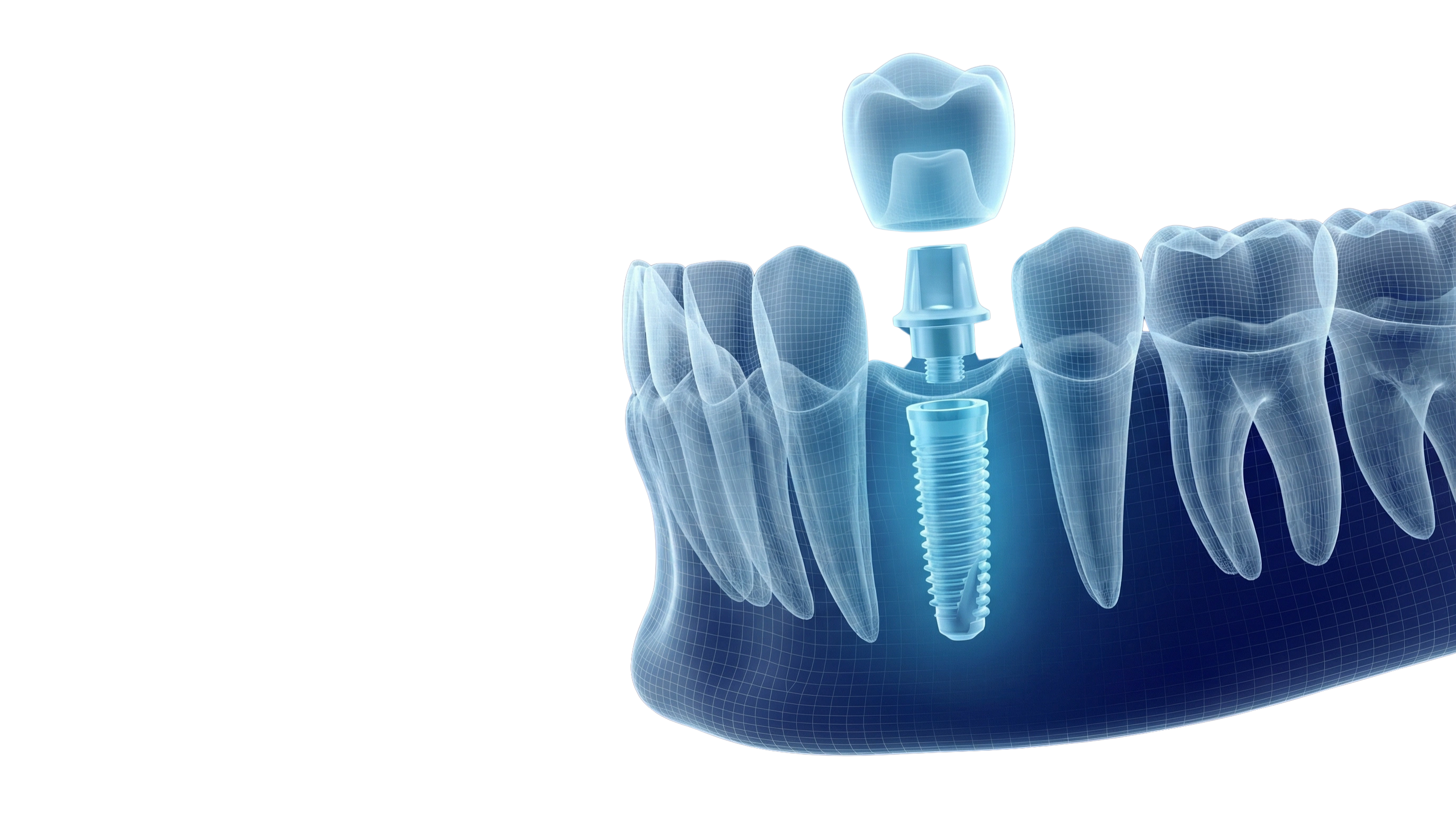
This is where gum health and treatment abroad meet. Active periodontitis has to be treated and stable before any implant is placed, because the same bacteria cause peri-implantitis, the inflammation that destroys bone around implants. A patient with a history of periodontitis can have implants successfully, but needs controlled gums at placement and regular maintenance afterwards.
Periodontitis also removes the bone that implants need. If too much has been lost, a bone graft or sinus lift may come first; see our guide to sinus lift and bone grafting. Crowns and veneers placed on inflamed gums look poor at the margin and fail sooner, so we treat the gums first there too. Heavy smokers should know that our lifetime implant guarantee is limited for them, for the same biological reason.
Before you travel we look at your panoramic X-ray and photographs. If they show active disease, we tell you, and we may advise you to have the deep cleaning at home first and postpone the implant trip by a few months. That is cheaper for you than a failed implant. More on keeping implants healthy is in our implant aftercare guide and in how long dental implants last.
Is it worth travelling to Turkey for gum treatment?
Usually not, and we would rather say so. Deep cleaning needs a re-evaluation after 6 to 12 weeks and maintenance visits every few months for years. That has to happen near where you live. A flight and hotel cost more than the difference in price for a scale and polish or a deep clean.
It makes sense only when gum treatment is part of a larger plan in Fethiye, for example a hygiene session and deep cleaning on the first days of a trip for crowns or implants, followed by maintenance with your own dentist or hygienist at home. You leave with your X-rays and treatment record so they can continue the care.
Prevention: the daily habits that protect your gums
Brush twice a day for two minutes with a soft or electric toothbrush, angled towards the gum line
Clean between your teeth once a day with interdental brushes; floss where the gaps are too tight
Stop smoking; it is the single change with the biggest effect on gum health
Keep diabetes well controlled and tell your dentist about medication changes
Replace your brush or brush head every three months
See your dentist or hygienist every 6 months, or every 3 to 4 months if you have had periodontitis
When to see a dentist, and how we can help
See a dentist if your gums bleed for more than a week or two despite good brushing, if you notice recession, loose teeth or persistent bad breath. Do not wait for pain.
If you are planning implants, crowns or veneers in Fethiye, send us a recent panoramic X-ray and photographs through the consultation form. Dr. Mustafa Besli and our dentists assess your gums as part of the free written treatment plan, tell you honestly whether the gums are ready, and what should happen first.

Dr. Mustafa Besli
Smile & Holiday
Dr. Mustafa Besli is the head dentist at Smile & Holiday in Fethiye, Turkey, specializing in aesthetic dentistry, smile design, and implantology with over 15 years of clinical experience.
Frequently Asked Questions
Frequently asked questions about this topic
Related Treatments
Explore treatments related to this article