Root Canal Treatment: When It’s Needed, Steps and Aftercare
A root canal saves a tooth when infection reaches the pulp. It is painless under anaesthetic and takes 1-2 visits; a crown is advised on back teeth. Cost in Turkey is far below European prices.
What Is a Root Canal and When Is It Needed?
Inside every tooth, beneath the hard enamel and dentine, is a soft core called the pulp — a bundle of nerves and blood vessels that kept the tooth alive as it developed. When deep decay, a crack or repeated dental work allows bacteria to reach this pulp, it becomes inflamed and then infected. Root canal (endodontic) treatment removes that infected tissue, disinfects the inside of the tooth and seals it, letting you keep a tooth that would otherwise have to be extracted.
Typical warning signs include severe or throbbing toothache, pain that lingers after something hot or cold, pain when biting, swelling or tenderness of the gum near the tooth, or a small pimple-like spot on the gum that drains. Sometimes there are no symptoms at all and the problem is found on a routine X-ray. Whatever the trigger, the underlying issue is the same: the pulp can no longer heal on its own.
Why Save the Tooth Instead of Removing It?
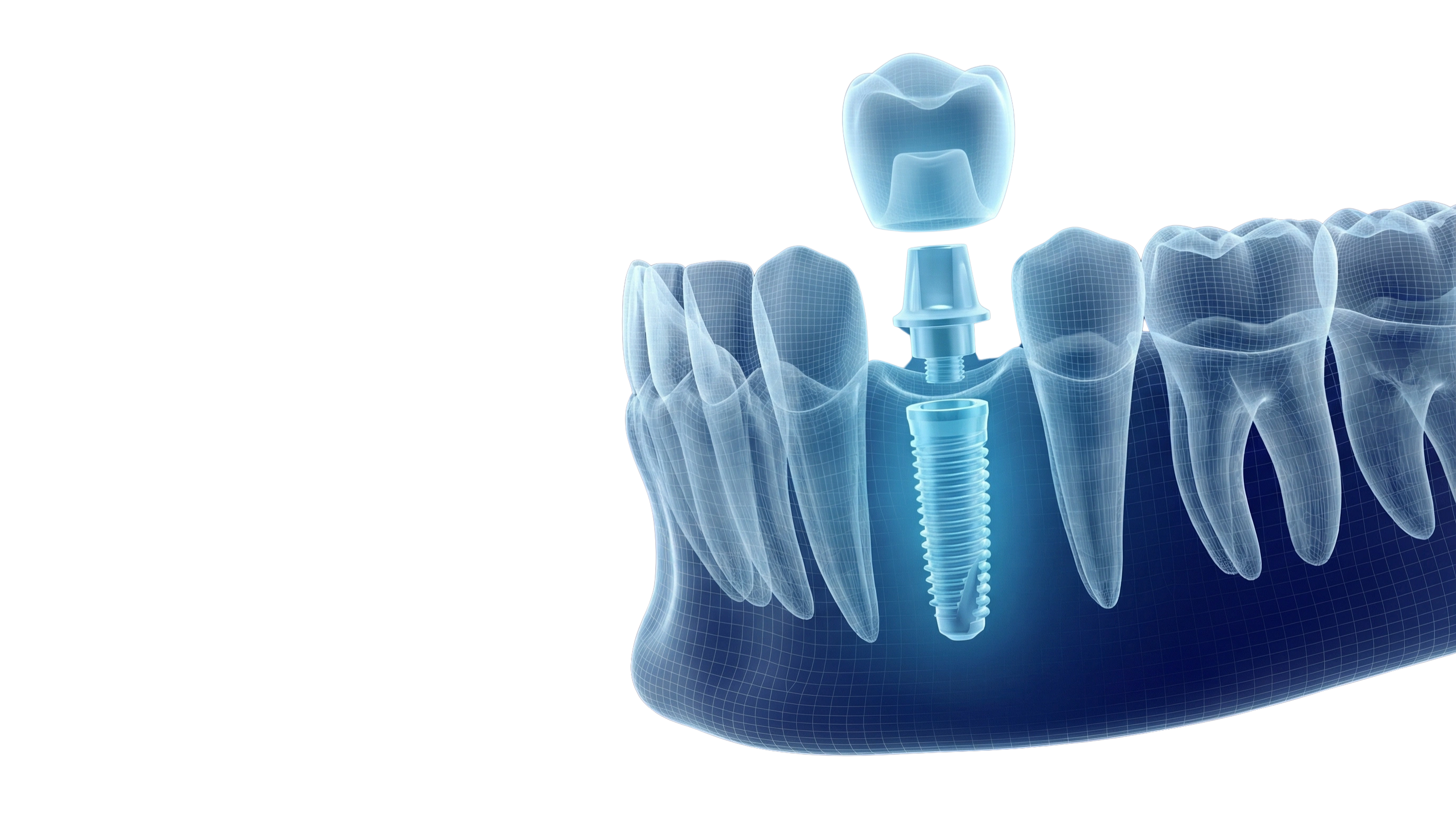
It is almost always better to keep your natural tooth. A treated tooth maintains your natural bite, stops neighbouring teeth from drifting, and avoids the bone loss that follows extraction. While an implant is an excellent replacement when a tooth truly cannot be saved, nothing functions quite like the original. Root canal treatment is the conservative choice — and our approach is to preserve as much healthy tooth structure as possible.
The Procedure, Step by Step
The whole treatment is carried out under local anaesthetic; most patients say it feels much like having a routine filling. Modern techniques have made the procedure comfortable and predictable.
1. Diagnosis and anaesthesia
An X-ray (and sometimes a 3D scan) shows the number and shape of the canals. The area is then fully numbed.
2. Isolating and accessing the tooth
A small protective sheet (a rubber dam) keeps the tooth clean and dry. A tiny opening is made in the crown of the tooth to reach the pulp chamber.
3. Cleaning and shaping the canals
Using fine instruments and disinfecting solutions, the infected pulp is removed and the canals are cleaned, shaped and disinfected along their entire length. This is the most important step — thorough disinfection is what gives the treatment its high success rate.
4. Filling and sealing
The cleaned canals are filled with a biocompatible material called gutta-percha and sealed so bacteria cannot re-enter. A temporary or permanent filling closes the access opening.
Most cases are completed in one or two visits, depending on how many canals the tooth has and whether there was active infection.
Why a Crown Is Usually Recommended Afterwards
A tooth that has had root canal treatment no longer has a living pulp and can become more brittle over time, especially a back (molar or premolar) tooth that takes heavy chewing forces. Placing a crown protects the tooth from fracture and restores full function and appearance. A front tooth that has lost little structure may sometimes be restored with a filling instead. We always tell you in advance whether a crown is recommended, so the full cost and plan are clear from the start.
Recovery and Aftercare
Recovery is usually straightforward. The tooth and gum may feel tender or slightly sore for a few days, particularly when biting; this is easily managed with ordinary painkillers and settles quickly. You can return to normal activities the same day. Until a permanent crown or filling is placed, avoid chewing hard foods directly on the treated tooth. Continue normal brushing and flossing — a root-treated, well-restored tooth is cared for exactly like any other.
Success Rate and How Long It Lasts
Root canal treatment has a high success rate, and a tooth that is properly treated and protected with a crown can last for many years, often a lifetime. Long-term success depends on thorough cleaning during treatment, a good final restoration, and routine check-ups and hygiene afterwards — exactly the standards we follow.
Cost in Turkey and Planning Your Visit
Root canal treatment in Turkey costs significantly less than in the UK, Ireland or Western Europe, and is usually planned together with the crown so you know the total in advance. At Smile & Holiday in Fethiye we quote transparently in euros after reviewing your X-ray, with no hidden fees. The clinic is about 45 minutes from Dalaman Airport, treatment typically fits into a 2-3 day visit, and we are happy to combine it with any other dental work you have planned. Once you are home, we remain available for any questions about the treated tooth.
Frequently Asked Questions
Frequently asked questions about this topic
Related Treatments
Explore treatments related to this article