Turkey Dental Clinic Reviews: How to Read Them and Spot the Fakes (2026)
Look at when reviews were written and what they describe, not how many there are. Reviews arriving in bursts, never naming the dentist, and unanswered complaints are the three strongest warning signs. Once you are down to two or three clinics, the decision comes from questions about brands, guarantee and access to the dentist, not from reviews.
Reviews are the last thing most people check before booking dental treatment abroad — and the hardest to judge. A clinic with 900 five-star reviews can be worse than one with 80, and a single angry review can be more informative than fifty happy ones. This guide shows you how to read reviews of Turkish dental clinics properly: which platforms are hard to fake, which red flags matter, and the questions to ask when the reviews look fine but you still feel unsure.
Why dental tourism reviews are unusually easy to manipulate
Three things make this sector different from, say, hotel reviews. Patients travel once and rarely return, so there is little long-term accountability. Treatment results appear slowly — veneers look perfect on day seven and can fail in year three, long after the review was written. And many clinics work through agencies, so the review may describe the agency's airport transfer rather than the dentistry.
That is why review count alone tells you almost nothing. What matters is when reviews were written, what they describe, and whether anyone followed up.
The platforms, ranked by how hard they are to fake
Platform
Trustworthiness
What to look for
Google Business Profile
Medium-high
Reviewer history. A profile with one review ever, posted the same week as ten others, is a warning sign.
Trustpilot
Medium-high
Whether the clinic replies, and whether invited vs organic reviews are labelled.
WhatsApp / video from past patients
High
Ask the clinic to connect you with a patient from your own country who had the same treatment.
Facebook groups and forums
High signal, low volume
Unprompted threads where someone asks "has anyone used X?" and strangers answer.
Reviews on the clinic's own website
Low
Useful for detail, worthless as verification. Nobody publishes their bad ones.
Six red flags worth walking away from
Reviews clustered in bursts. Forty reviews in one week, then nothing for four months, usually means a campaign rather than a steady flow of patients.
No mention of the dentist by name. Real patients remember who treated them. Generic praise for "the team" and "the hotel" often describes an agency, not a clinic.
Every review is five stars. Any clinic doing several hundred cases a year has unhappy patients. A perfect record means filtering.
No answer to negative reviews. How a clinic replies to a complaint tells you exactly what will happen if something goes wrong with your case.
Nothing older than a year. Crowns and veneers reveal their quality in years two and three. Old reviews are the valuable ones.
Prices quoted in reviews do not match the quote you were given. Ask why before you fly.
What a genuinely useful review looks like
Length is not the signal; specificity is. A useful review names the treatment ("6 upper E-max veneers and two implants"), mentions a timeframe ("first trip in March, fitted in September"), says something that is not perfect ("the temporaries were uncomfortable for a week"), and comes from a reviewer with other unrelated reviews. That combination is very hard to manufacture at scale.
Questions that reveal more than any review
Once you have shortlisted two or three clinics, the reviews have done their job. These questions separate them:
Which implant and ceramic brands do you use, and will the brand be written on my invoice? (See our guide to implant brands used in Turkey.)
What exactly does the guarantee cover, and who pays for the return flight if a crown fails?
Can I speak to the dentist before I book, not only a coordinator?
What happens if my treatment plan changes after the in-person examination?
Can you put me in touch with a patient from my country who had the same treatment two or more years ago?
A clinic that answers all five plainly is showing you more than a thousand reviews could.
Reading reviews about "Turkey teeth"
Many negative reviews of Turkish dentistry describe the same pattern: healthy teeth filed down aggressively for crowns when veneers or no treatment at all would have been appropriate. This is a treatment-planning failure, not a national one, and it is visible in reviews if you look for the words "shaved", "filed" or "pegs". We cover the warning signs in detail in Turkey teeth gone wrong.
Our own position
We are a clinic in Fethiye, so treat this section as interested advice. We publish patient cases with the treatment named, we answer negative reviews rather than removing them, and we will connect prospective patients with previous ones from the same country on request. If another clinic does the same, that is a good sign about them, not a bad one about us.
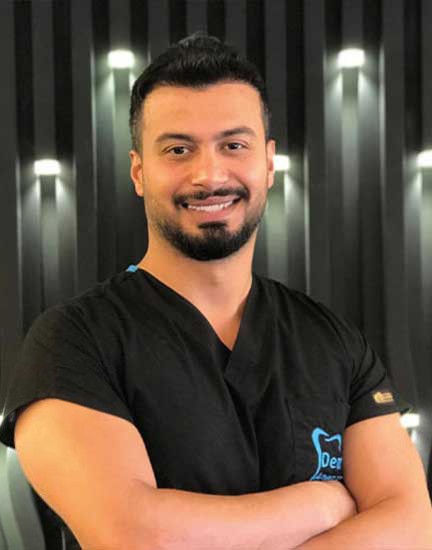
Dr. Mustafa Besli
Smile & Holiday
Dr. Mustafa Besli is the head dentist at Smile & Holiday in Fethiye, Turkey, specializing in aesthetic dentistry, smile design, and implantology with over 15 years of clinical experience.
Frequently Asked Questions
Frequently asked questions about this topic
Related Treatments
Explore treatments related to this article