Turkey Teeth Gone Wrong: How to Avoid It and Get It Right
"Turkey teeth gone wrong" usually comes down to aggressive tooth reduction, bargain package pricing and no proper planning or aftercare — not Turkey itself. Choose a clinic that preserves healthy tooth structure, uses digital planning and premium materials, and backs its work with a written guarantee, and treatment in Turkey can be safe and excellent value.
If you have searched "turkey teeth" recently, you have probably seen the horror stories — rows of blindingly white teeth, patients in pain and headlines about Turkey teeth gone wrong. As the head dentist at Smile & Holiday in Fethiye, I want to be honest with you: some of those cases are real, and they are heartbreaking. But they are not the whole story, and they are not inevitable.
The truth is that dental treatment in Turkey can be safe, ethical and excellent value — or it can go badly wrong. The difference almost never comes down to the country. It comes down to the clinic you choose, the dentist's philosophy, and whether corners are cut. This guide explains why some cases fail, what to watch for, and how to choose properly so your smile is one of the good stories.
What Does "Turkey Teeth" Actually Mean?
"Turkey teeth" is a British slang term, not a dental procedure. It usually refers to a full set of very white crowns or veneers fitted during a dental-tourism trip to Turkey. The phrase became popular after reality-TV stars and influencers showed off dramatic, ultra-bright smiles — and later, after some of those smiles ran into problems.
Because it is a slang label rather than a clinical term, "Turkey teeth" lumps together very different treatments. A conservative set of minimal-prep veneers and a mouthful of aggressively filed-down crowns can both get called "Turkey teeth" online, even though they are worlds apart in how much natural tooth is removed and how they age. Understanding that distinction is the first step to protecting yourself.
Why Do Some Turkey Teeth Go Wrong?
When a case goes wrong, it is rarely one dramatic mistake. It is usually a stack of shortcuts. In my experience reviewing patients who come to us for corrective work, the same causes appear again and again:
Aggressive tooth reduction. Healthy teeth are filed down far more than necessary — often for crowns — when minimal-prep veneers or simple bonding would have achieved the same look while preserving the tooth.
Rock-bottom package pricing. Headline "full smile" deals priced far below the real cost of quality materials and lab work usually mean savings have been found somewhere you cannot see.
No proper diagnostics or planning. Skipping X-rays, scans and a written treatment plan means underlying decay, gum disease or bite problems go untreated beneath the new crowns.
Rushed timelines. Squeezing a full-mouth transformation into a couple of days leaves no time for careful preparation, healing checks or adjustments.
No aftercare. Once you fly home, a low-quality clinic disappears — so if something loosens, aches or fails, there is no support.
Unrealistic, ultra-white expectations. Choosing an unnaturally bright, opaque shade can look striking in photos but often reads as fake and ages poorly.
None of these are inherent to Turkey. They are the hallmarks of a clinic competing on price rather than quality — which can happen anywhere in the world.
Crowns vs Veneers: The Key Difference
This is the single most important thing to understand, because it is where most "gone wrong" cases begin.
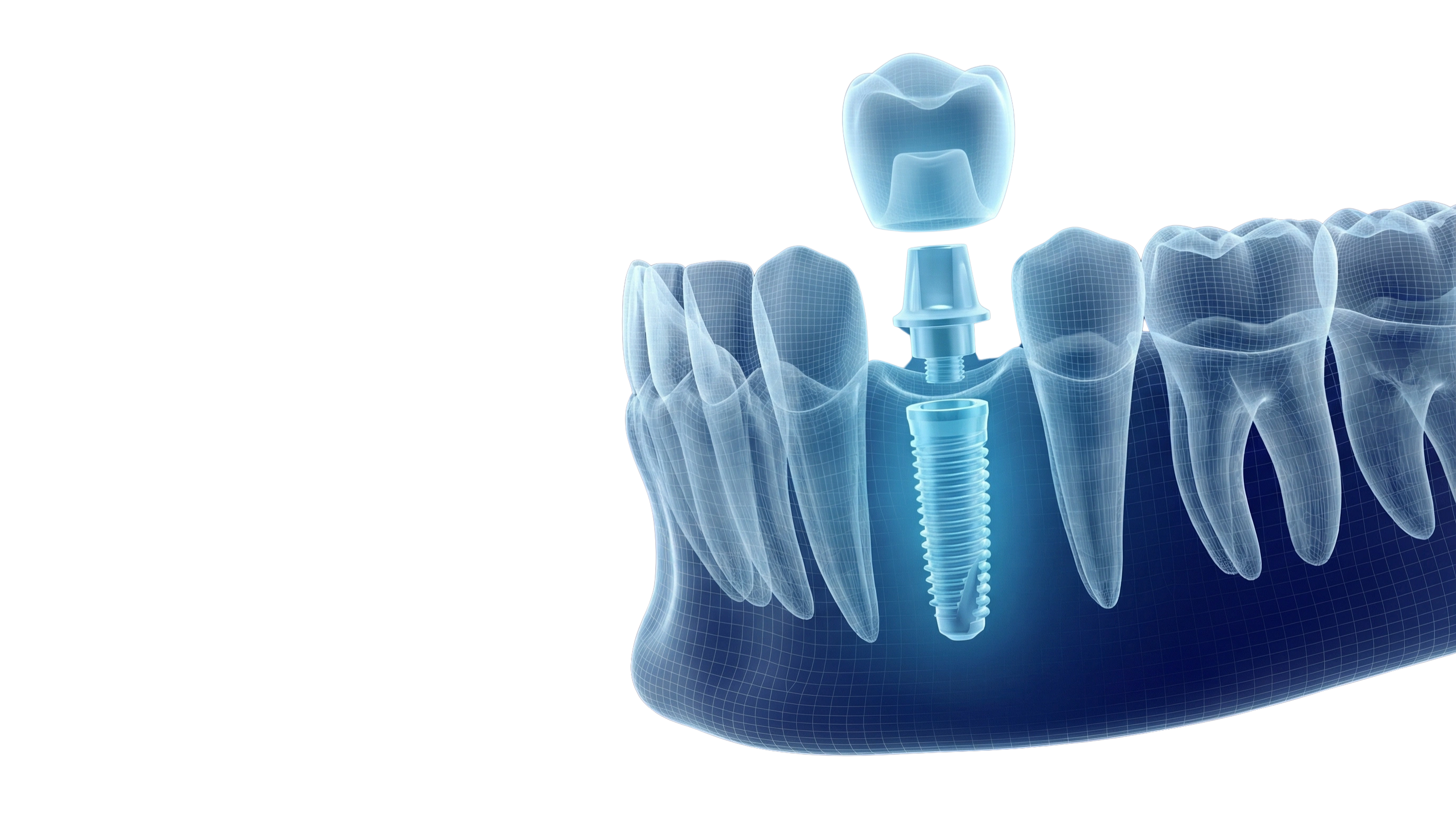
Crowns cap the entire tooth. To fit one, the natural tooth must be filed down substantially on all sides — a permanent, irreversible change. Crowns are the right choice when a tooth is heavily damaged, root-treated or broken. They are not the right first choice for healthy teeth that simply need cosmetic improvement.
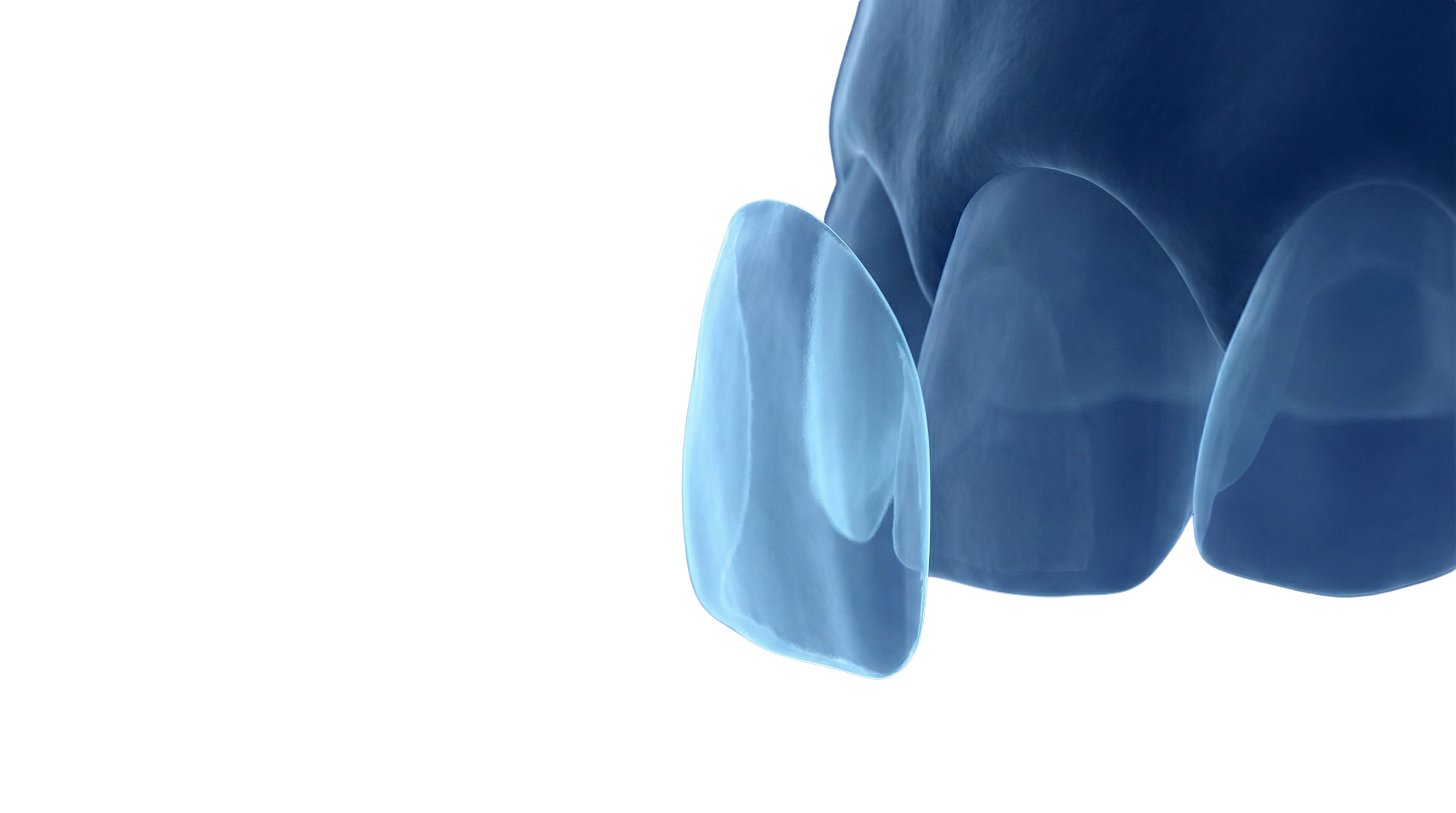
Veneers are thin shells bonded to the front of the tooth. Modern minimal-prep veneers remove only a fraction of a millimetre of enamel — sometimes almost none. Bonding can reshape or whiten teeth with little or no drilling at all.
The problem behind many viral cases is that healthy teeth were crowned — aggressively filed down — when veneers or bonding would have preserved them. An ethical dentist always recommends the least invasive option that achieves your goal, and explains honestly why. If you are told you need a full set of crowns without a clear clinical reason, get a second opinion.
Warning Signs of a Low-Quality Clinic
You can spot most risky clinics before you ever book. Treat these as red flags:
A price that seems too good to be true, or a single flat "package" with no breakdown.
A quote given before anyone has seen your X-rays or examined your teeth.
Pressure to decide fast, or big discounts if you "book today".
No named, verifiable dentist — just a brand, a coordinator or a sales agent.
Only stock or heavily edited photos, and no real before-and-afters of their own patients.
Vague or missing answers about which materials and brands they use.
A full-mouth transformation promised in one or two days.
No mention of a guarantee, medical records or an aftercare plan.
If several of these appear together, walk away — no matter how attractive the price is.
How to Choose a Safe Dentist in Turkey
Choosing well is not complicated; it just takes a short checklist and the willingness to ask direct questions. A good clinic will welcome every one of these:
Verify the dentist's credentials. You should be able to see the treating dentist's name, qualifications and registration — not just a clinic brand.
Ask to see real before-and-afters. Request photos of the clinic's own patients with cases similar to yours, ideally including natural-looking results, not only ultra-white smiles.
Ask about materials and warranty. A quality clinic names the brands it uses and offers a written guarantee on the work.
Insist on X-rays and digital planning. No drilling should happen before proper imaging and a documented plan you have seen and agreed.
Get a transparent written quote. Every crown, veneer and extra should be itemised, with no surprise costs on the day.
Confirm the aftercare pathway. Ask exactly what happens if you have a problem after you fly home, and get it in writing.
If you would like us to walk through this checklist with you personally, you can book a free remote assessment and we will review your case honestly before you commit to anything.
Why Digital Planning and Premium Materials Matter
Good cosmetic dentistry is designed before it is delivered. With digital smile design, we plan the shape, length and proportion of every tooth on screen and show you a preview of the result before any treatment begins. That means the outcome is agreed in advance, not left to chance in the chair.
Materials matter just as much. Premium ceramics such as high-quality zirconia and layered porcelain reflect light like natural enamel, resist staining and last for years. Cheap materials can look flat, chip sooner and discolour. When a package price looks impossibly low, the materials and the lab technician's time are usually where the money was saved — and it shows within a year or two.
Guarantees and Aftercare
Reputable dentistry does not end when you leave the clinic. A trustworthy provider gives you a written guarantee on your crowns and veneers, full medical records of what was done, and a clear route back to them if anything needs attention.
Aftercare is where budget clinics fail most patients. A loose crown or a bite that feels off is usually a small, fixable issue — but only if someone is there to help. Ask, before you travel, exactly how follow-up works remotely, who you contact, and what is covered. If the answer is vague, that is your answer.
What Good, Ethical Treatment Looks Like
Ethical dental tourism is calm, thorough and honest. It looks like this:
A proper consultation and diagnostics before any plan is finalised.
The most conservative treatment that achieves your goals — often fewer crowns, not more.
A natural shade chosen to suit your face, not the brightest one available.
A realistic timeline that allows for preparation, healing and adjustments.
Transparent pricing, a written guarantee and a clear aftercare plan.
A dentist who is willing to tell you when you do not need work at all.
If a clinic is happy to talk you out of unnecessary treatment, that is one of the strongest signs you are in safe hands.
Getting It Right at Smile & Holiday, Fethiye
At Smile & Holiday, our approach is built to be the opposite of a "gone wrong" story. We practise conservative, ethical dentistry: we preserve as much healthy tooth as possible and recommend crowns only when they are genuinely needed. Every case starts with a free remote assessment and, on arrival, full diagnostics and digital smile design, so you approve your new smile before we begin.
We use premium materials, back our work with written guarantees, and provide structured aftercare so you are supported long after you return home. Our pricing is transparent and itemised — no vague packages, no surprises. To make the trip genuinely stress-free, we also include free accommodation in a Fethiye apartment and a free transfer from Dalaman Airport, so you can focus on your treatment and your recovery, not logistics.
Should You Still Consider Dental Treatment in Turkey?
Yes — with your eyes open. The headlines about Turkey teeth gone wrong are a warning about bad clinics, not about Turkey. Done properly, by a qualified dentist who preserves your natural teeth, plans digitally, uses premium materials and stands behind the work, dental treatment in Turkey is safe and offers genuinely excellent value.
The power to avoid a bad outcome is almost entirely in how you choose. Use the checklist above, ask direct questions, and never let price be the deciding factor. If you would like an honest, no-pressure opinion on your own case, our team is happy to review your photos and tell you exactly what you do — and do not — need.
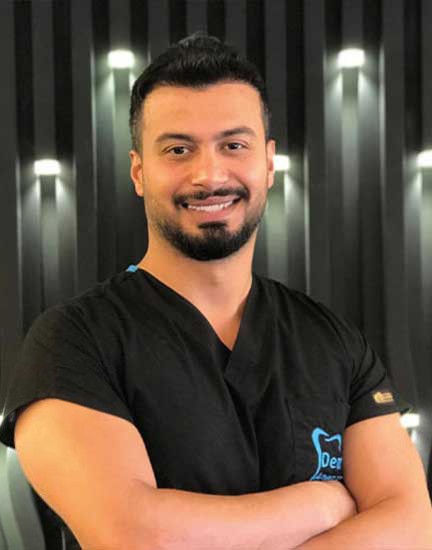
Dr. Mustafa Besli
Smile & Holiday
Dr. Mustafa Besli is the head dentist at Smile & Holiday in Fethiye, Turkey, specializing in aesthetic dentistry, smile design, and implantology with over 15 years of clinical experience.
Frequently Asked Questions
Frequently asked questions about this topic
Related Treatments
Explore treatments related to this article