Dental Guarantees in Turkey: What They Cover, What They Exclude (2026)
We guarantee implants for life, laminate and E-max veneers for five years, zirconia for three. No honest guarantee covers accidents, grinding without a night guard, neglected hygiene, heavy smoking, work altered by another dentist, or travel costs. Ask for the guarantee in writing in your own language before you pay, and insist the brands appear on the invoice.
Almost every dental clinic in Turkey advertises a guarantee. Very few explain what it excludes — and the exclusions are where the value is decided. A "lifetime guarantee" that does not cover the return flight, or that lapses because you missed a check-up you were never reminded about, is a marketing line rather than a promise. This guide explains how dental guarantees actually work, what ours covers, and the questions to ask any clinic before you pay a deposit.
Three different things get called "guarantee"
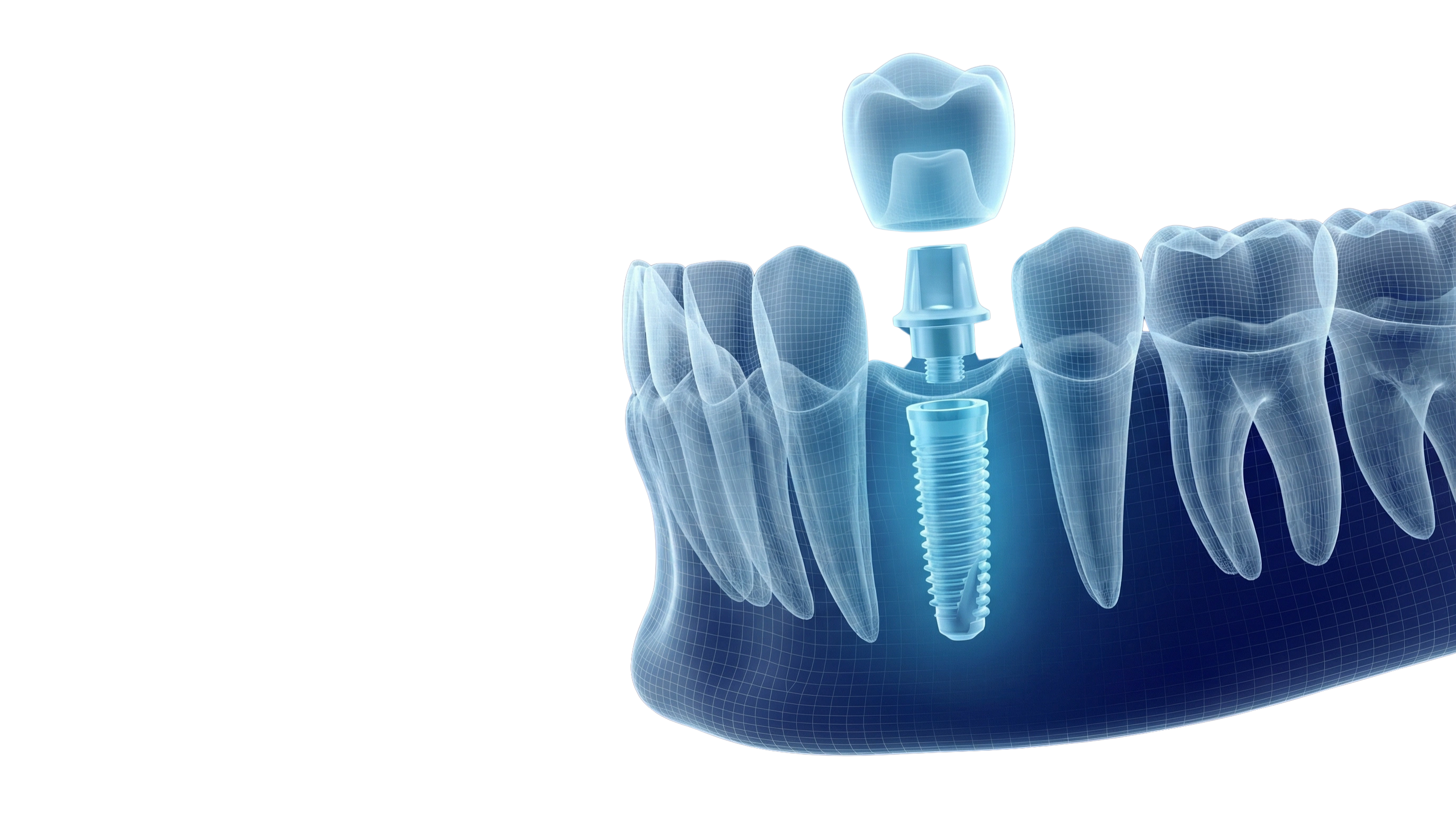
The manufacturer's warranty on the implant fixture itself. Major brands such as Straumann, Nobel Biocare and Osstem warrant the titanium component, often for life. This follows the product, not the clinic, and it covers the screw, not the work of placing it.
The clinic's guarantee on its own workmanship: the crown, the bridge, the veneer, the fit. This is the one that matters day to day, and it is the one clinics word most loosely.
Aftercare included in the price: adjustments, a night guard, a hygiene visit. Useful, but not a guarantee.
When a clinic says "lifetime guarantee" without saying which of the three it means, ask.
What we guarantee, in plain terms
Work
Guarantee
What it means
Dental implants (the fixture)
Lifetime
If an implant fails to integrate or is lost, we replace the implant at no charge.
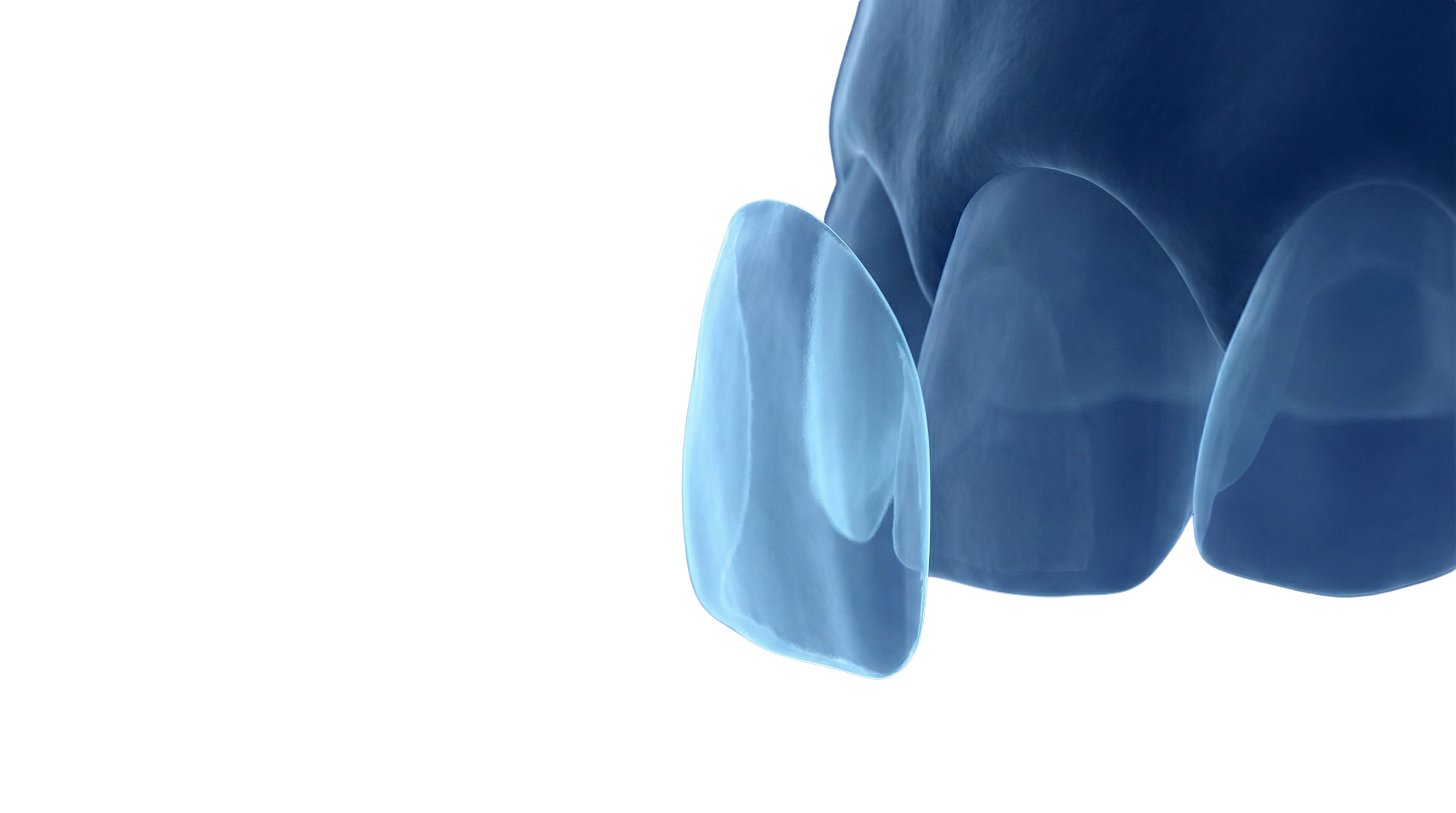
Laminate / E-max veneers
5 years
Debonding, fracture or a material defect is remade at no charge.
Zirconia crowns and bridges
3 years
Fracture, chipping or a material defect is remade at no charge.
Treatment in Turkey is cheaper than in the UK or Germany, but a guarantee is only as good as the clinic still being there to honour it. Ask how long the clinic has operated under the same name and ownership — that tells you more about a ten-year promise than the promise does.
What no honest guarantee covers
These exclusions are standard across serious clinics anywhere in the world, and a clinic that claims otherwise is not being straight with you:
Accidents and trauma. A crown broken in a fall is not a materials failure.
Bruxism without a night guard. If you grind your teeth and decline the guard, the guarantee on ceramic work is void. This is the single most common reason claims are refused.
Neglected hygiene. Peri-implantitis caused by plaque is a maintenance failure. Implants do not decay, but the gum and bone around them do.
Smoking-related implant failure. Heavy smoking measurably reduces implant success; most clinics, including ours, limit implant guarantees for heavy smokers and will tell you so in advance.
Work altered by another dentist. Once someone else adjusts or re-cements the restoration, the original clinic cannot stand behind it.
Travel costs. Almost no clinic covers flights. Ask directly; the answer is usually no, and you should plan for it.
The questions that separate a real guarantee from a slogan
Is the guarantee given in writing, in my language, before I pay?
Does it name the implant and ceramic brands used, with the batch or reference on my invoice?
Who decides whether a claim is valid, and can I get a second opinion from a dentist at home?
If I need a remake, who pays for the flight and the accommodation?
What am I required to do to keep it valid — check-ups, a night guard, hygiene visits — and who reminds me?
What happens if the clinic closes or changes hands?
A clinic that answers all six in writing is offering something enforceable. One that answers in a WhatsApp voice note is not.
How a claim actually works from abroad
If something goes wrong you do not need to fly first. Send photographs and, where relevant, an X-ray from a local dentist. Most cases are diagnosed remotely within a day. If a remake is needed, the laboratory work is scheduled so that your trip is as short as possible — usually three to four days rather than a full week — and adjustments that do not need a laboratory are often handled by a local dentist with our instructions and at our cost.
Keeping your guarantee alive
Three habits cover almost everything: wear the night guard if one was recommended, have a hygiene visit every six months wherever you live and send us the report, and contact us at the first sign of a problem rather than the third month of it. A loose crown re-cemented in week one is a five-minute job; the same crown left for six months can mean a failed abutment. Our full guidance is in the implant aftercare guide.
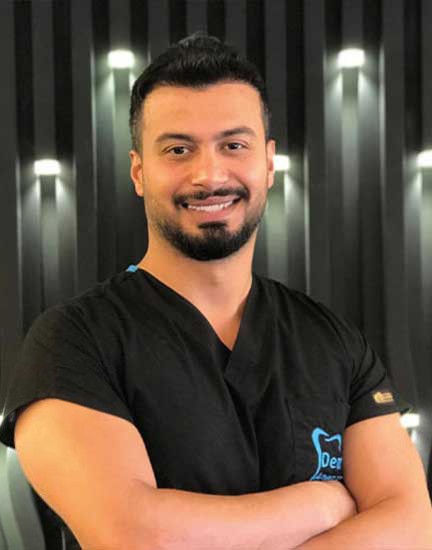
Dr. Mustafa Besli
Smile & Holiday
Dr. Mustafa Besli is the head dentist at Smile & Holiday in Fethiye, Turkey, specializing in aesthetic dentistry, smile design, and implantology with over 15 years of clinical experience.
Frequently Asked Questions
Frequently asked questions about this topic
Related Treatments
Explore treatments related to this article