Dental Crown Cost in 2026: Zirconia, E-max or Metal-Ceramic, UK Prices vs Turkey
A zirconia crown is 200 to 350 EUR per tooth at our clinic and E-max 280 to 400 EUR, against £600 to 1,200 privately in the UK or £332.10 for an NHS Band 3 course. Crowns are for root-treated, cracked or heavily filled teeth; a small cavity needs a filling, a cosmetic front tooth a veneer, partial damage an onlay. With flights and a hotel included the trip pays for itself from two to three crowns, and the work takes one visit of 5 to 7 days.
A dental crown costs 200 to 350 EUR per tooth in zirconia and 280 to 400 EUR in E-max at our clinic in Fethiye, against typically £600 to 1,200 per tooth privately in the UK, or £332.10 on the NHS as a Band 3 course where the crown is usually metal-ceramic and the wait can run to months. One crown is rarely worth a flight. From two to three crowns the trip pays for itself, and above that the saving grows with every tooth. This guide covers when a crown is the right choice, what each material costs, and how the numbers work out once flights and a hotel are included.
When you need a crown, and when you do not
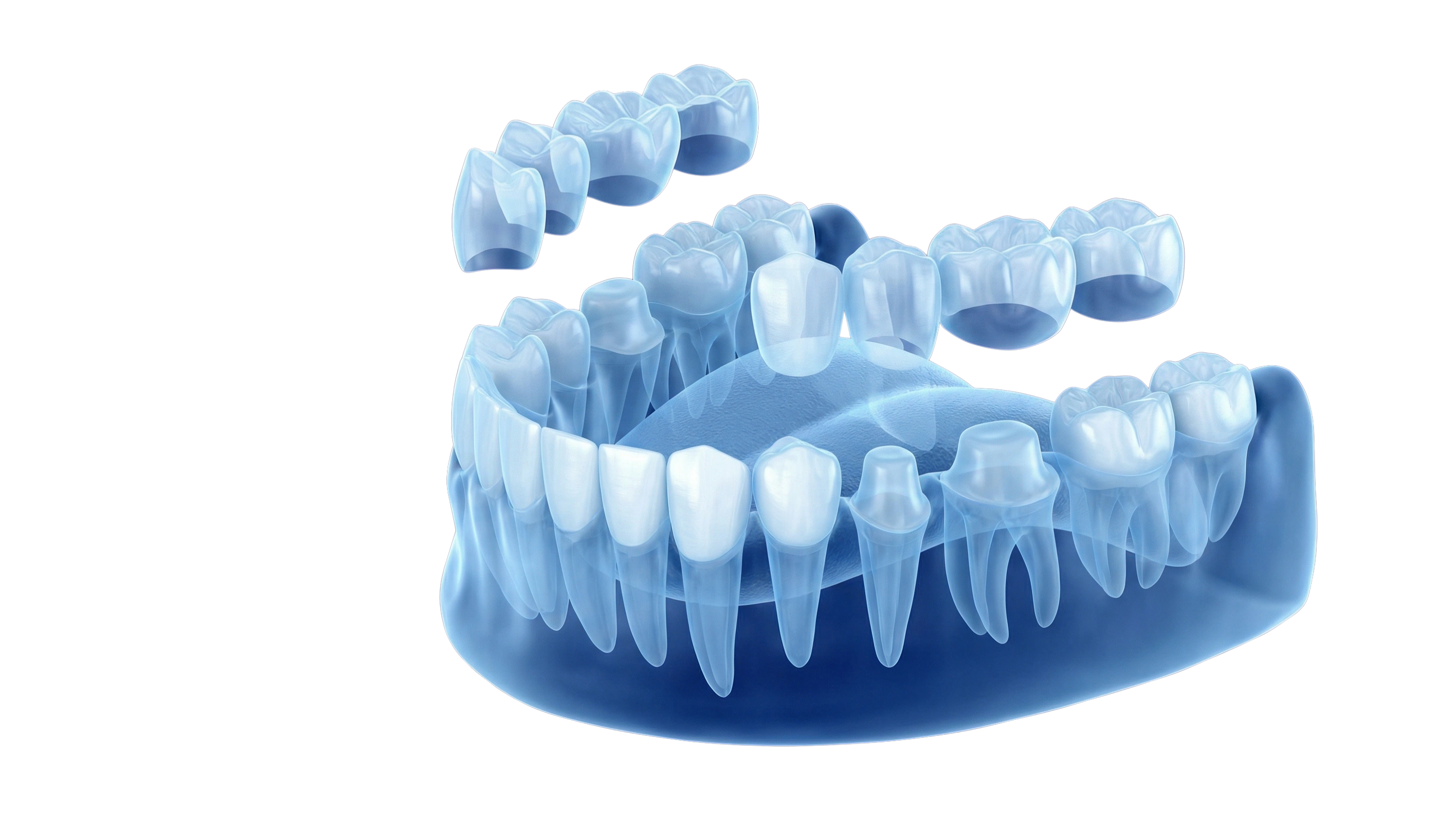
A crown is a full cap that replaces the outer shell of a tooth. It is the right choice when what is left of the tooth is too weak to hold a filling:
After a root canal on a back tooth. A root-treated molar without a crown cracks under chewing load; most of the fractures we see are on these teeth.
A large filling that covers more than about half the tooth, especially one that keeps breaking at the edge.
A cracked or broken tooth where the crack runs into the dentine or a cusp has sheared off.
Heavy wear from grinding, where the biting surface is flat and sensitive.
On an implant, where the crown is the visible tooth screwed or cemented onto the fixture.
An old crown with decay at the margin or a dark metal line showing at the gum.
A crown is the wrong choice in three common situations. A small cavity needs a filling; removing sound tooth to cap it is unnecessary. A front tooth that is intact but chipped, stained or slightly crooked is usually better served by a veneer, which removes far less enamel. A back tooth with one broken wall and healthy cusps often needs an onlay, a partial ceramic piece that covers only the damaged part. We say this before quoting because the cheapest treatment is the one you do not need. Our crown vs veneer guide and the veneers vs crowns comparison go through the border cases.
Crown materials compared
Material
Aesthetics
Strength
Enamel removed
Best for
Per tooth at our clinic
Per tooth in the UK, private
Monolithic zirconia
Good, slightly opaque
Very high
Moderate
Back teeth, grinders
200 to 350 EUR
Typically £700 to 1,200
Layered zirconia
Very good
High core, porcelain layer can chip
Moderate
Front teeth, visible premolars
200 to 350 EUR, upper end
Typically £800 to 1,200
E-max (lithium disilicate)
Excellent, translucent
High, below zirconia
Moderate
Front teeth, premolars
280 to 400 EUR
Typically £800 to 1,200
Metal-ceramic (PFM)
Acceptable, grey line at the gum over time
High
Highest
Back teeth on a budget
Quoted case by case, below zirconia
Typically £600 to 900; NHS Band 3 £332.10
Gold / full metal
Poor, visible metal
Very high, gentle on opposing teeth
Least
Hidden molars, heavy grinders
On request only
Typically £700 to 1,200
Our default is monolithic zirconia on molars and E-max or layered zirconia on anything that shows when you smile. Metal-ceramic is still a sound crown, and it is what most NHS crowns are, but the porcelain chips more readily and the metal margin shows as the gum recedes. The E-max vs zirconia comparison and our zirconia crowns guide cover the choice in more depth.
Dental crown cost per tooth: UK, Ireland and Fethiye
Where
Zirconia crown
E-max crown
Metal-ceramic crown
NHS England, Band 3 (from April 2026)
Not usually offered
Not offered
£332.10 for the whole course of treatment
UK private
Typically £700 to 1,200
Typically £800 to 1,200
Typically £600 to 900
Ireland private
Typically 900 to 1,200 EUR
Typically 900 to 1,200 EUR
Typically 800 to 1,000 EUR
Smile & Holiday, Fethiye
200 to 350 EUR
280 to 400 EUR
Quoted case by case
Two things about the NHS figure. Band 3 covers every crown in one course of treatment, so three NHS crowns still cost £332.10 if your dentist agrees they are clinically needed. That is cheaper than any trip. The catch is access: many practices are not taking NHS patients, a Band 3 appointment can take months in parts of the country, and the crown you get is usually metal-based rather than zirconia or E-max. If you can get NHS treatment and are happy with a metal-ceramic crown on a back tooth, take it. Turkey competes with private prices, not with the NHS. Irish readers can claim Med 2 tax relief of 20% on crowns as non-routine treatment, and it applies to treatment abroad as well.
Three crowns, six crowns: the break-even with flights included
The figures below use a typical UK private price of £900 per crown, our zirconia price at roughly 275 EUR (about £240), and £600 for a return flight to Dalaman plus six hotel nights. Your own numbers will differ; the pattern will not.
Case
UK private, typical
Crowns at our clinic
Flights and 6 nights
Total in Fethiye
Difference
1 crown
£900
£240
£600
£840
About the same. Not worth the trip on its own
3 crowns
£2,700
£720
£600
£1,320
Around £1,380 less
6 crowns
£5,400
£1,440
£600
£2,040
Around £3,360 less
The break-even sits at two crowns against typical private prices, three if your local quotes are at the cheaper end. Travel is a fixed cost, so it matters less with every extra tooth, which is why the patient with a root-treated molar, two old crowns and a broken premolar gains the most. If a bridge or an implant is also on the table, the bridge vs implant comparison shows those numbers.
The process: 5 to 7 days in one trip
Day 1: examination, panoramic X-ray, the written plan confirmed tooth by tooth. Any root canal or old filling removal is done first. The teeth are prepared, scanned digitally (no impression trays) and temporary crowns are fitted the same day.
Days 2 to 4: the laboratory mills and finishes the crowns. For layered zirconia and front teeth there is a try-in of the unglazed crown to check shade and shape before final glazing.
Days 5 to 7: final fitting, bite check with articulating paper, polishing, adjustments. You leave with the guarantee document and written aftercare.
Five days is enough for two or three crowns. Six or more, or a mix of crowns and root canals, needs the full seven. We do not compress this into three days; a rushed bite check is the most common reason crowns fail early.
How long a crown lasts, and what the guarantee covers
A well-made zirconia or E-max crown typically lasts 10 to 15 years, often longer on a back tooth that is cleaned well. Metal-ceramic lasts a similar time but the porcelain chips more often. Gold outlasts all of them. Our written guarantee is 3 years on zirconia crowns and bridges, covering fracture, chipping and material defects, remade at no charge. E-max crowns are covered by the same written guarantee; the term is stated in your treatment plan. It does not cover trauma, grinding without the night guard we recommend, decay at the margin from neglected hygiene, work altered by another dentist, or the cost of flights. Full terms are in our guarantee guide.
Who this is for, and who it is not for
This makes sense if you have two or more teeth that genuinely need crowns, you have been quoted private prices at home, you want zirconia or E-max rather than a metal-based crown, and you can take five to seven days. It suits people whose teeth are root treated, cracked or heavily filled, not people who want a cosmetic change.
It does not make sense if you need a single crown and can get it locally, you have untreated gum disease (that comes first, wherever you are treated), you grind heavily and will not wear a night guard, or your teeth are healthy and you are after whiter or straighter teeth. Crowning healthy teeth for looks is how the "Turkey teeth" cases happen; we will suggest veneers, whitening or nothing instead.
How it works with us in Fethiye
Send a recent X-ray or clear photographs through the consultation form. Dr. Mustafa Besli, who has practised aesthetic dentistry and implantology for over 15 years, reviews them and you receive a written plan and a quote per tooth before you book anything. Flights from Stansted, Manchester, Dublin and other UK and Irish airports land at Dalaman, about 50 minutes from the clinic. Airport transfers are included, hotel arrangements are made on request, and the guarantee document is issued in English. If a tooth turns out not to need a crown when we see it, the plan is changed and the price drops.
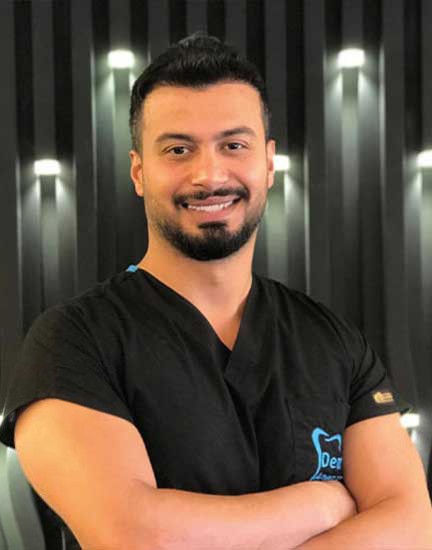
Dr. Mustafa Besli
Smile & Holiday
Dr. Mustafa Besli is the head dentist at Smile & Holiday in Fethiye, Turkey, specializing in aesthetic dentistry, smile design, and implantology with over 15 years of clinical experience.
Frequently Asked Questions
Frequently asked questions about this topic
Related Treatments
Explore treatments related to this article