Turkey Teeth: What You Actually Get, What It Costs in 2026 and How to Avoid the Fake Look
"Turkey teeth" usually means 16 to 20 veneers or crowns in one trip of 5 to 7 days. At our clinic E-max veneers cost 280 to 400 EUR per tooth, zirconia crowns 200 to 350 EUR, and a full set typically 4,500 to 8,000 EUR against £12,000 to £24,000 privately in the UK. The fake look comes from crowns on healthy teeth, BL1 shades, identical shapes and three-day rush jobs; we use veneers on intact teeth, A1 or B1 shades and give a written guarantee.
"Turkey teeth" usually means a full set of 16 to 20 veneers or crowns fitted in one trip of 5 to 7 days, and at our clinic in Fethiye that set costs typically 4,500 to 8,000 EUR (roughly £3,800 to £6,800) against £12,000 to £24,000 privately in the UK. Whether the result looks natural or "fake" depends on four decisions made before the drill touches a tooth: veneer or crown, how much enamel is removed, which shade, and how many days the clinic gives the work. This page explains all four so you can judge any quote, including ours.
What "turkey teeth" actually means
The phrase came out of the UK around 2021 and 2022, when reality TV contestants and social media users came back from Turkey with very white, very uniform smiles. It now covers two different things: a well-planned cosmetic case (thin E-max veneers or zirconia crowns in a natural shade, an experienced dentist, a week) and the version that gave the term its edge (healthy teeth ground down to pegs, bulky bright-white crowns, three days, no follow-up). The price difference between the two is often small. The difference to your teeth is permanent.
The people who had bad outcomes were not foolish; they were sold a "package" with a fixed number of units and a fixed shade, no assessment before flying and no time for a try-in. The failure patterns are covered in Turkey teeth gone wrong; this page is about getting it right.
What a full set actually involves
A full cosmetic case at a serious clinic runs like this over 5 to 7 days:
Day 1, assessment. Panoramic X-ray, photographs, gum check and a conversation about what you want. The number of units is decided here, not in a WhatsApp chat before you fly; many "20 unit" enquiries end as 8 or 10 upper veneers plus whitening below.
Smile design. A digital mock-up of shape, length and shade against your face and lip line, seen before anything is cut.
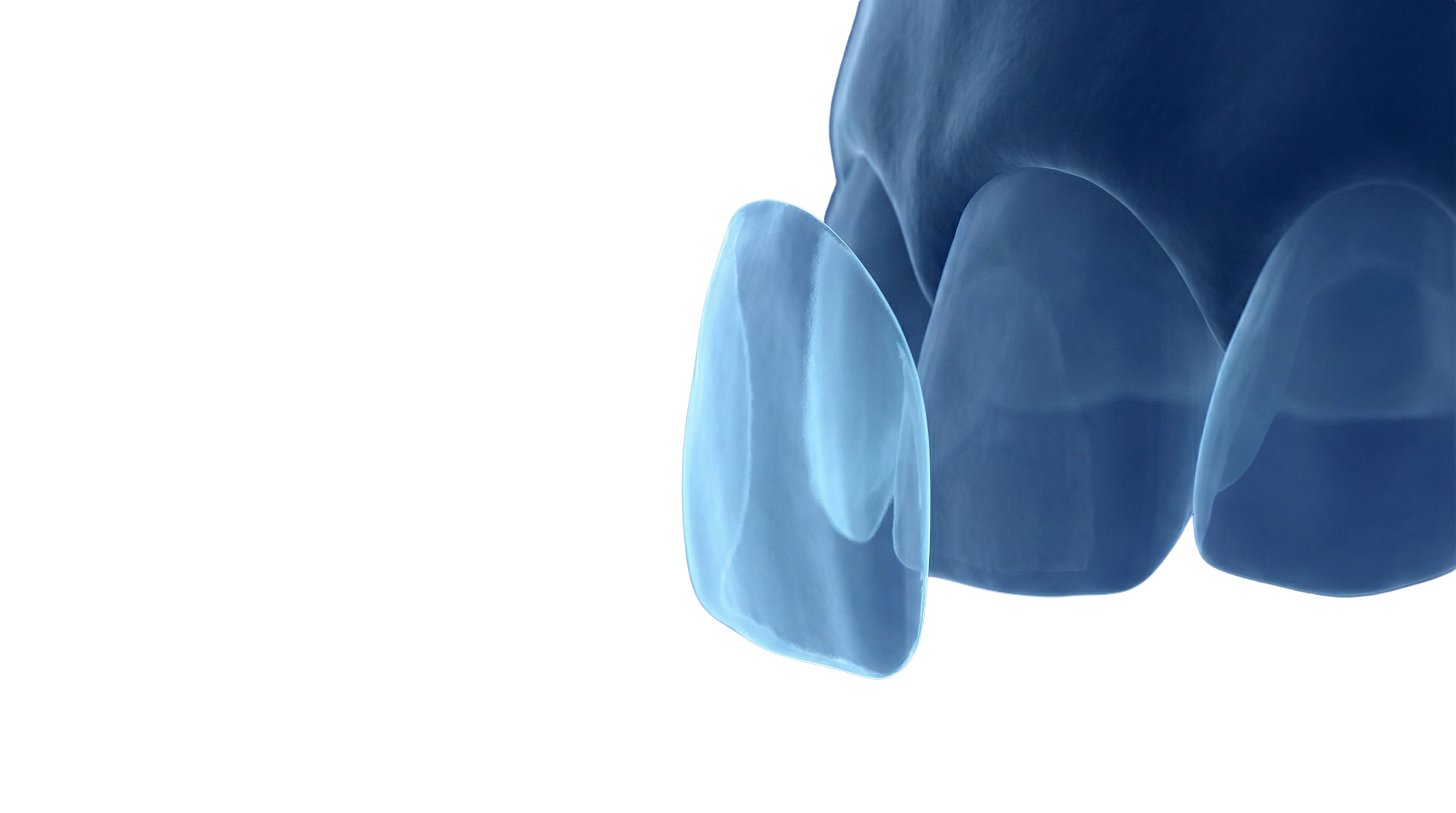
Preparation. For veneers, typically 0.3 to 0.7 mm from the front surface. For a crown, 1 to 2 mm all the way round. This step cannot be undone, so it should be the smallest the case allows.
Temporaries. Acrylic temporaries protect the teeth for 2 to 3 days while the laboratory works and let you test shape and length.
Try-in and final fitting. The ceramic work is tried in unbonded so shade and shape can still be adjusted, then bonded (veneers) or cemented (crowns). Bite check, polish, night guard if you grind.
A clinic that quotes three days has removed the try-in and the adjustment window. That saving is what you pay for later.
Veneers vs crowns: the decision that matters most
E-max veneer
Zirconia crown
Enamel removed
Typically 0.3 to 0.7 mm, front surface only
1 to 2 mm, all surfaces
Right for
Healthy teeth needing a change of shade, shape or small gaps closed
Teeth with large fillings, root canals, cracks or heavy wear
Wrong for
Teeth with little enamel left, heavy grinders without a night guard
Healthy, intact front teeth
Typical lifespan
10 to 15 years
10 to 15 years or more
Our guarantee
5 years
3 years
Price at the clinic
280 to 400 EUR per tooth
200 to 350 EUR per tooth
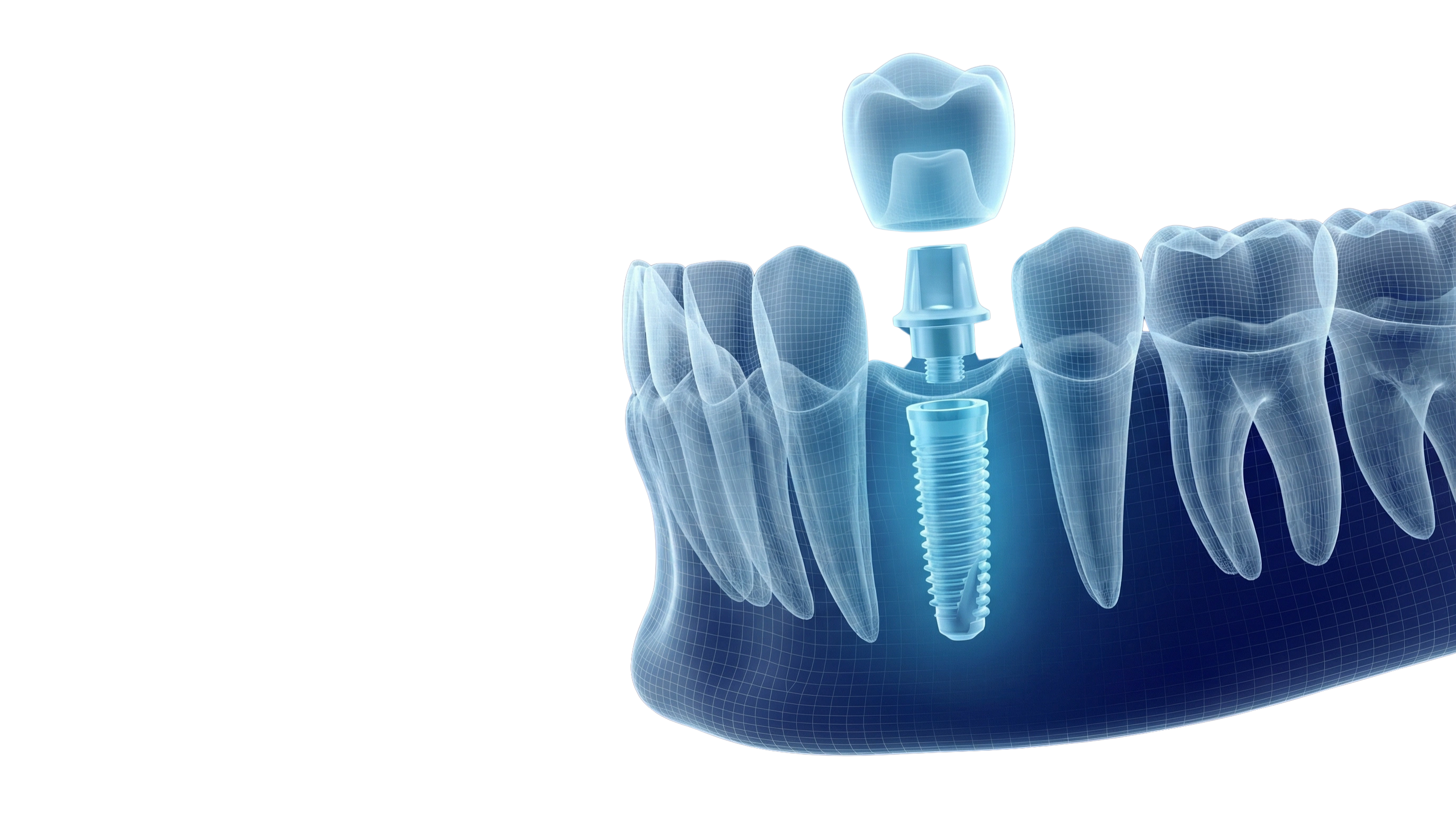
Crowns are not bad; they are the right answer for a broken or heavily filled tooth. The problem is a crown on a healthy tooth: to fit it, the dentist removes most of the enamel and much of the dentine underneath, and the tooth becomes a peg for good. A crown is also thicker than a veneer, so it looks bulkier at the gum line, and if the gum recedes later a dark margin shows. Bulk plus a hard line at the gum is most of what people mean by "fake". Full comparison: veneers vs crowns and E-max vs zirconia.
How much turkey teeth cost in 2026
Clinic prices per tooth with UK private ranges for comparison. Pound figures are approximate; your written quote is in EUR.
Scope
At the clinic (E-max veneers)
At the clinic (zirconia crowns)
UK private, typically
Per tooth
280 to 400 EUR (about £240 to £340)
200 to 350 EUR (about £170 to £300)
£600 to £1,200
8 to 10 units (upper front)
2,250 to 4,000 EUR (about £1,900 to £3,400)
1,600 to 3,500 EUR (about £1,400 to £3,000)
£4,800 to £12,000
16 to 20 units (full smile)
4,500 to 8,000 EUR (about £3,800 to £6,800)
3,200 to 7,000 EUR (about £2,700 to £6,000)
£12,000 to £24,000
The NHS does not provide cosmetic veneers or crowns, so the comparison is always with private prices. Add flights and a week of accommodation, typically a few hundred pounds in season, and a full set still saves £6,000 to £17,000. Be wary of quotes well below these ranges: a full set of genuine E-max at 2,000 EUR is not E-max, and what gets cut to reach that price is usually the assessment, the try-in and the days.
If you are travelling from Ireland: crowns and veneers count as non-routine treatment for Med 2 tax relief at 20 per cent, treatment abroad qualifies when the dentist completes the Med 2 form, and we provide it. Private crowns at home are typically 800 to 1,200 EUR each; Dublin to Dalaman flies direct in season.
Why some results look fake, and how a serious clinic avoids it
Crowns on healthy teeth. Over-preparation, thick margins, a dark line later. Avoided by using veneers on intact teeth and keeping crowns for damaged ones. A quote for "20 crowns" without an X-ray is the first warning.
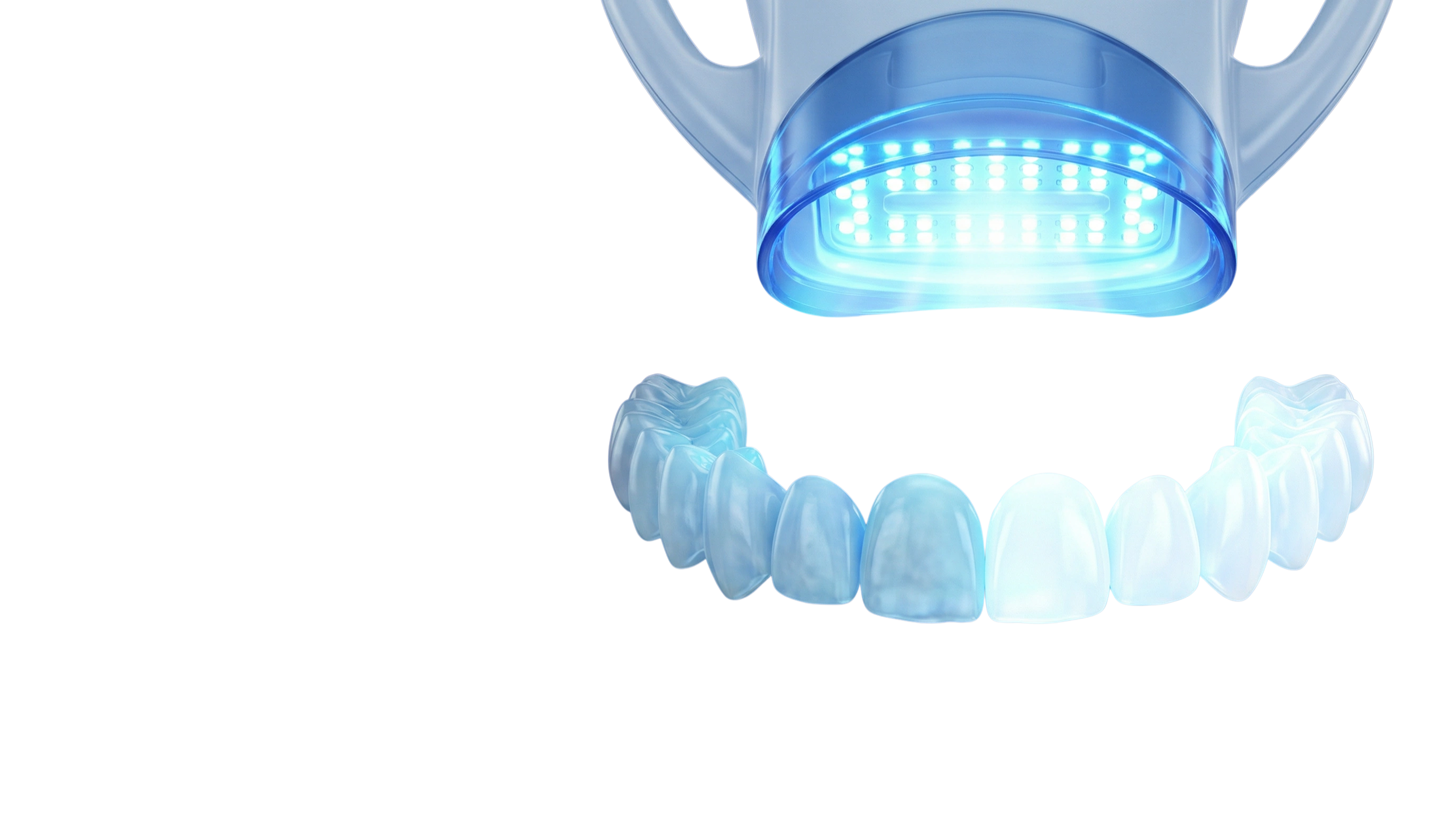
The wrong shade. BL1 is the whitest of the bleach shades (BL1 to BL4) used in ceramic work and brighter than any natural tooth: striking in a photo, artificial next to skin, eyes and lower teeth. A1 or B1 reads as a healthy, bright smile in daylight. We recommend A1 or B1 and use BL shades only when a patient understands the trade-off and asks.
Identical shapes. Natural front teeth differ slightly in length and edge shape; the central incisors are a little longer, the laterals softer. Identical rectangles are the "piano key" look. Good laboratory work adds surface texture and slight translucency at the edges.
Too many units. Not every smile shows 10 teeth per arch. Treating teeth nobody sees adds cost and preparation for no visual gain.
Rushed timelines. Three-day cases skip the try-in. Gums disturbed during preparation are still inflamed when the final work is fitted, so margins that looked fine on day three look wrong in month three.
Who should do this, and who should not
A full set makes sense for worn, chipped, discoloured or uneven front teeth, old crowns that no longer match, or gaps orthodontics will not close in a reasonable time. It is a poor decision in these cases:
Healthy, straight teeth that you simply want whiter. Whitening (150 to 400 EUR) or composite bonding on one or two edges gets you there without touching enamel; we will say so at the assessment.
Active gum disease. Veneers and crowns on inflamed or receding gums fail early. Gum treatment first, cosmetics later.
Under about 21. Gums and bite can still be settling, so preparation is riskier and margins move. A careful clinic will steer you to whitening or bonding first and revisit veneers later.
Heavy grinders who will not wear a night guard. Ceramic does not survive untreated bruxism, and the guarantee does not cover it.
How it works with us in Fethiye
Send photographs and, if you have one, a recent X-ray through the consultation form. Dr. Mustafa Besli, more than 15 years in aesthetic dentistry and implantology, reviews the case and you receive a written plan and quote before you book: number of units, veneer or crown for each tooth and why, material and shade. Treatment is one trip of 5 to 7 days. Transfers from Dalaman airport (about 50 minutes) are included, hotel on request, and the guarantee document (E-max veneers 5 years, zirconia 3 years) is handed to you in English before you leave. If the plan says whitening and two bonded edges instead of 20 units, that is the plan you get. See also the Hollywood smile guide and the E-max vs zirconia price guide.
Seven things to check before you book anywhere
A written plan before payment listing each tooth, the material, and veneer or crown.
An X-ray or photographs reviewed by the treating dentist, not only a coordinator.
The answer to "why a crown and not a veneer" for every intact tooth.
The shade written down; if it says BL1 and you did not ask for it, ask why.
At least 5 days on site, with a try-in before final bonding.
A written guarantee in your language naming the ceramic brand and the years.
The name and experience of the dentist doing the work.
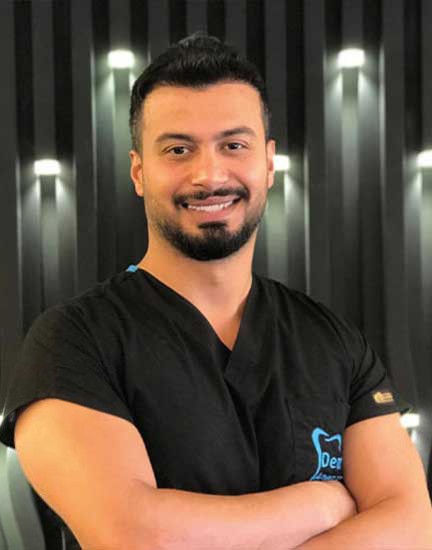
Dr. Mustafa Besli
Smile & Holiday
Dr. Mustafa Besli is the head dentist at Smile & Holiday in Fethiye, Turkey, specializing in aesthetic dentistry, smile design, and implantology with over 15 years of clinical experience.
Frequently Asked Questions
Frequently asked questions about this topic
Related Treatments
Explore treatments related to this article