Turkey vs Hungary for Dental Treatment in 2026: Prices, Travel and Guarantees Compared
A complete implant tooth typically costs 1,000 to 1,800 EUR in Budapest and from about 700 EUR at our clinic in Fethiye; zirconia crowns are 300 to 450 EUR against 200 to 350 EUR, E-max veneers 400 to 650 EUR against 280 to 400 EUR. Budapest has shorter, cheaper and year-round flights, Fethiye cheaper hotels, so travel costs are similar over a week. For one or two teeth or staged treatment with many visits Hungary can be the better choice; for multiple veneers, several implants or All-on-4 Turkey usually saves £1,800 or more. Both need two trips for implants.
A dental implant with a crown typically costs 1,000 to 1,800 EUR (about £870 to 1,570) in Budapest in 2026, against from about 700 EUR (around £610) at our clinic in Fethiye and typically £2,000 to 3,000 privately in the UK. Per tooth, Turkey is usually 30 to 60 percent cheaper than Hungary, and Hungary is in turn far cheaper than a UK private practice. Once flights and hotel nights are counted, the gap between the two shrinks for one or two teeth and widens for larger cases. Hungary is closer, has more flights and is inside the EU; Turkey has the lower treatment prices and the Mediterranean. This guide compares both honestly, treatment by treatment, so you can decide which suits your case.
Prices per treatment: Fethiye, Budapest and the border towns
Hungarian dental tourism grew up in two places: Budapest, which serves mainly British, Irish and Scandinavian patients, and the towns on the Austrian border, above all Sopron and Mosonmagyaróvár, where many clinics were built for Austrian and Slovak patients who drive in. The figures below are typical ranges from published 2025 and 2026 price lists and comparison sites. Our own prices are the ones on our price list.
Treatment
Our clinic, Fethiye
Budapest, typical
Sopron / Mosonmagyaróvár, typical
UK private, typical
Implant (fixture and abutment)
From 500 EUR; Straumann 750 to 1,000 EUR
600 to 1,200 EUR
Broadly similar, some listings from about 600 EUR
Part of £2,000 to 3,000 per tooth
Implant with zirconia crown, complete
From about 700 EUR
1,000 to 1,800 EUR
Broadly similar to Budapest
£2,000 to 3,000
Zirconia crown
200 to 350 EUR
300 to 450 EUR
Similar; metal-ceramic from about 150 to 320 EUR
£700 to 1,200
E-max or porcelain veneer
280 to 400 EUR
400 to 650 EUR
Some older listings from about 220 to 260 EUR
£600 to 1,200
All-on-4, per arch
3,500 to 6,000 EUR
5,500 to 9,000 EUR
Quoted case by case
Typically £12,000 or more
Teeth whitening, in-office
150 to 400 EUR
Comparable
Comparable
£300 to 700
Two honest points about this table. First, some border-town clinics publish very low prices for metal-ceramic crowns and simple veneers; check the date of the list, the material, and whether the price includes the laboratory work. Second, a Hungarian price that looks close to ours sometimes covers only the implant fixture, with the abutment, the crown and the CT scan charged separately. Always compare the complete price per finished tooth. For the materials themselves, our veneers cost guide and crown cost guide go into detail.
Best Hungary dental implants cost: what the price actually includes
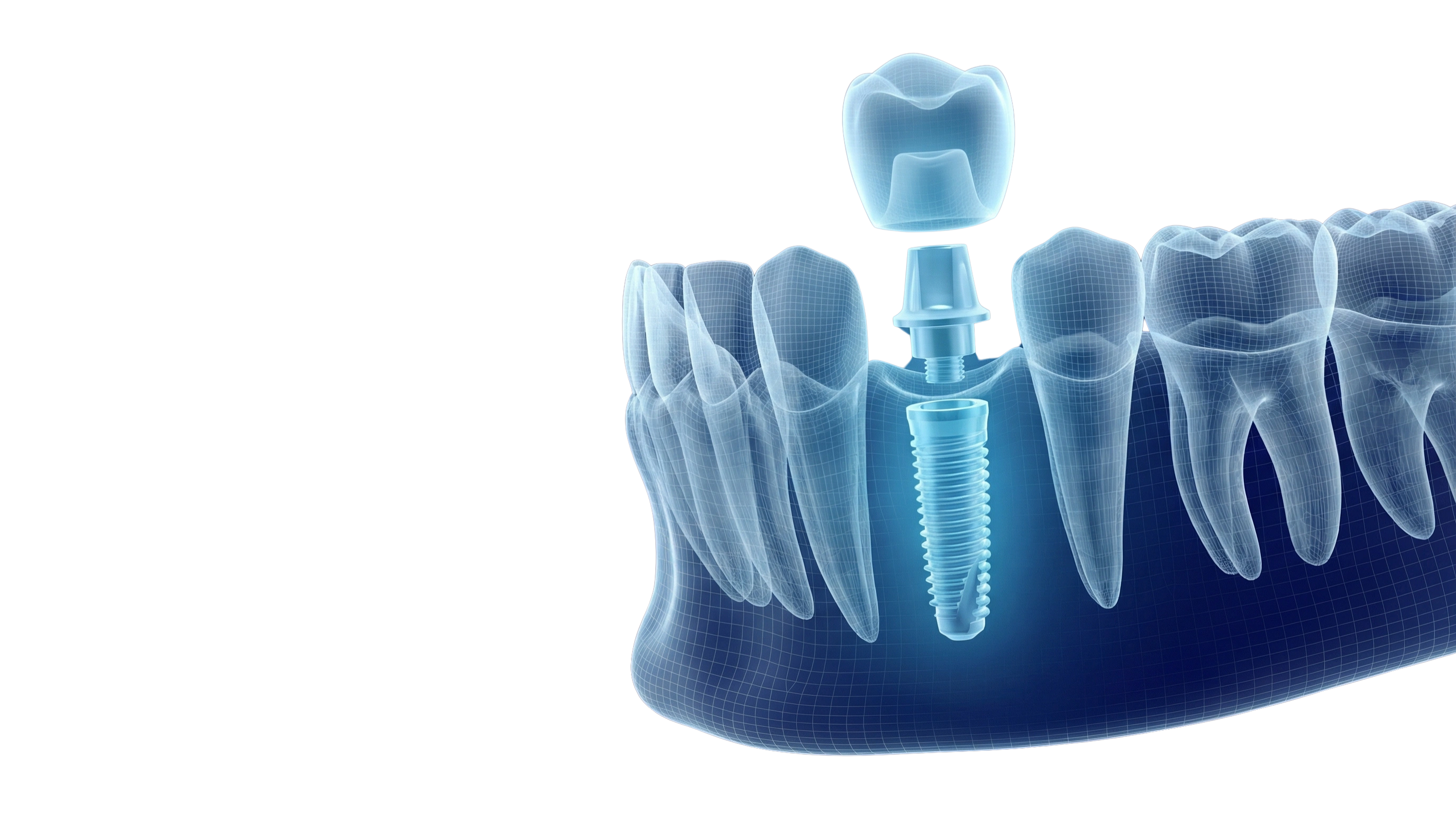
When UK patients search for the best price on dental implants in Hungary, the quotes they receive are often not comparable, because an implant tooth has several parts and each clinic bundles them differently:
The fixture, the titanium screw in the bone. In Budapest typically 600 to 1,200 EUR depending on the brand; premium systems such as Straumann start around 850 EUR.
The abutment, the connector between the fixture and the crown. Sometimes included, sometimes 150 to 300 EUR extra.
The crown, usually zirconia or metal-ceramic, typically 300 to 450 EUR in Hungary.
Diagnostics: a CBCT scan is essential before implant surgery. Some clinics include it, others charge for it.
Bone work: a bone graft typically adds 200 to 600 EUR and a sinus lift 500 to 1,200 EUR, in Hungary as in most of Europe.
Added together, a complete implant tooth in Budapest usually lands between 1,000 and 1,800 EUR. At our clinic the implant starts from 500 EUR and a zirconia crown on top is 200 to 350 EUR, so a complete tooth starts at about 700 EUR, rising with a premium brand or bone grafting. Which brand suits you is explained in our implant brands guide. The biology is the same in both countries: an implant needs three to six months to fuse with the bone, so almost every standard case needs two trips, whichever country you choose.
Travel time and cost from the UK
Budapest
Fethiye (via Dalaman)
Flight time
About 2.5 hours
About 4 hours
Frequency
Several daily flights from London and most large UK airports, all year
Direct from most large UK airports and Dublin, most frequent from April to October
Return fare, typical
£60 to 200
£120 to 300
Hotel, typical
£70 to 130 per night in the centre
£250 to 500 for 5 to 7 nights
Airport to clinic
30 to 45 minutes into the city
45 to 60 minutes, transfer included
Budapest wins on flight time, frequency and fares, which matters most if a case needs several short visits. Fethiye wins on hotel cost, so over a week the two trips cost roughly the same. In winter there are fewer direct flights to Dalaman, and that is a fair reason to look at Budapest for treatment between November and March.
Worked examples: three cases with flights and hotel
The figures below use mid-range prices: Budapest at about £90 per hotel night and £120 per return flight, Fethiye at about £55 per night and £200 per flight, and 1 EUR at about £0.87. Your own numbers will differ; the pattern holds.
Case
UK private
Budapest, treatment and travel
Fethiye, treatment and travel
1 implant with crown, 2 trips (8 to 10 nights in total)
About £2,500
£1,220 + £960 = about £2,180
£700 + £950 = about £1,650
10 E-max veneers, 1 trip of 7 nights
About £9,000
£4,570 + £750 = about £5,320
£2,960 + £585 = about £3,550
All-on-4, one arch, 2 trips (16 nights in total)
£12,000 or more
£6,090 + £1,680 = about £7,770
£3,915 + £1,280 = about £5,200
For a single implant the differences are a few hundred pounds either way, and the decision should rest on the clinic rather than the country. With ten veneers or a full arch, treatment prices dominate and Turkey usually comes out around £1,800 to 2,600 lower than Budapest. If your case needs bone grafting and three or four visits, Budapest's shorter and cheaper flights narrow that gap again. Trip lengths for each treatment are set out in our guide to trips and days.
Guarantees and aftercare compared
Our clinic
Typical Hungarian clinic
Implants
Lifetime guarantee on the implant
Commonly 5 to 10 years, often on the product only; some clinics offer lifetime
Zirconia crowns and bridges
3 years
Around 3 to 5 years
Veneers
5 years
Varies by clinic
Usual conditions
Night guard if you grind, good hygiene, no alterations by another dentist
Check-ups every 6 or 12 months at the clinic; the clinic must complete the whole work
Flights for a repair
Not covered
Usually not covered
Read the conditions, not the headline number. A ten-year guarantee that requires a yearly check-up in Budapest costs you a flight every year to keep it valid; a lifetime guarantee that excludes grinding without a night guard is worthless to a grinder who refuses one. Between trips our patients have direct WhatsApp contact with their coordinator, photographs are reviewed remotely, and your own dentist at home can do routine check-ups. What our guarantee covers and excludes is set out in full in our guarantee guide.
EU rules, insurance and regulation
Hungary is an EU member state, and Hungarian dentists are registered under EU rules. Turkey is outside the EU; dental clinics there are licensed and inspected by the Turkish Ministry of Health, and dentists are registered with the Turkish Dental Association. For UK patients the EU membership changes little in practice: since Brexit the NHS does not fund private treatment in either country, and UK travel insurance rarely covers planned treatment anywhere. Irish patients can claim Med 2 tax relief of 20 percent on non-routine dental work in both countries, as explained on our Med 2 page. Our view on safety and how to check a clinic is in is dental tourism in Turkey safe.
When Hungary is the better choice
You need one or two teeth and want short flights; the saving over Hungary would be small.
Your treatment is staged, with bone grafting, a sinus lift and several visits: shorter, cheaper flights matter more with every trip.
You need to travel in winter, when direct flights to Dalaman are fewer.
You live in Austria, Slovakia or near the Hungarian border and can drive to Sopron or Mosonmagyaróvár in an hour.
Your insurer contributes only to treatment inside the EU, as German statutory insurance does with the Festzuschuss.
When Turkey is the better choice
Larger cases: multiple veneers or crowns, several implants or a full arch, where the price per tooth outweighs the travel.
A one-trip cosmetic case of 5 to 7 days, where a lower hotel cost and a warm climate make the week easier.
You want a lifetime implant guarantee without a yearly check-up abroad as a condition.
Travel from April to October, when direct flights to Dalaman run from most UK airports.
Our Turkey vs Hungary comparison page summarises the same points in one table.
Romania vs Turkey: what about Romania, Poland or Serbia?
Romania is the third option UK patients often compare. Clinics in Bucharest and Oradea typically quote 500 to 1,300 EUR for the surgical part of an implant, before the abutment and crown, and roughly 360 to 680 EUR for a zirconia crown. That puts Romania close to Hungary on price and above Turkey for most treatments, with fewer direct UK flights to the regional cities. Poland and Serbia sit in a similar band. The questions in the checklist below apply to every country.
How to choose a dental clinic in Hungary, Turkey or anywhere else
Ask for a written plan with a complete price per finished tooth: fixture, abutment, crown, CT scan and any graft.
Ask for the implant brand and the crown material in writing.
Ask how many trips and days the plan needs, and what happens if a second visit runs late.
Read the guarantee conditions: check-up requirements, exclusions, and who pays for flights.
Ask who treats you: the dentist's name, registration and years in practice.
Ask how aftercare works once you are home, and whether a local dentist can help with minor issues.
With us, you send recent X-rays or photographs through the consultation form. Dr. Mustafa Besli reviews them and you receive a written plan with a price per tooth before you book anything, so you can put it next to a Hungarian quote line by line.

Dr. Zsófia Demir
Smile & Holiday
Dr. Zsófia Demir is a prosthodontist specializing in full-mouth rehabilitation, dental implants, and smile design, with 14 years of clinical experience. Trained through Semmelweis University and advanced prosthetic planning programs in Istanbul, she focuses on helping dental tourists compare Turkey and Hungary with clear, evidence-based treatment options. She has supported international patients in Turkey with transparent cost breakdowns, material selection guidance, and continuity-of-care planning.
Frequently Asked Questions
Frequently asked questions about this topic
Related Treatments
Explore treatments related to this article